



As a well - established household voltage regulator supplier, I often encounter various inquiries from consumers about the compatibility of our voltage regulators with different electrical appliances. One such question that has popped up frequently is whether a household voltage regulator can be used for electric toothbrushes. In this article, I will delve into the technical aspects and practical considerations to provide a comprehensive answer.
Understanding Electric Toothbrushes and Their Power Requirements
Electric toothbrushes are designed to operate within a specific voltage range. Most modern electric toothbrushes are powered by rechargeable batteries, typically lithium - ion or nickel - metal hydride. These batteries are charged using a charging base that is connected to a standard electrical outlet.
The charging base of an electric toothbrush is engineered to convert the alternating current (AC) from the outlet into the appropriate direct current (DC) voltage and current levels required to charge the internal battery safely. The voltage specifications of electric toothbrushes can vary between different models and brands, but they generally operate within a low - voltage range, usually around 3 - 6 volts DC.
How Electric Toothbrushes are Designed to Handle Voltage
The electrical circuits in electric toothbrushes are highly specialized. The charging base contains a transformer and a rectifier circuit. The transformer steps down the high - voltage AC from the electrical outlet to a lower voltage level, and the rectifier converts the AC to DC. After that, the DC power is regulated to a stable voltage and current to charge the battery, protecting it from over - charging, over - discharging, and over - heating.
Functions and Working Principles of Household Voltage Regulators
Household voltage regulators play a crucial role in maintaining a stable voltage supply to electrical appliances. Fluctuations in the main power supply can occur due to various factors such as load changes in the power grid, weather conditions, or faulty electrical equipment. These voltage fluctuations can potentially damage sensitive electrical appliances.
Types of Household Voltage Regulators
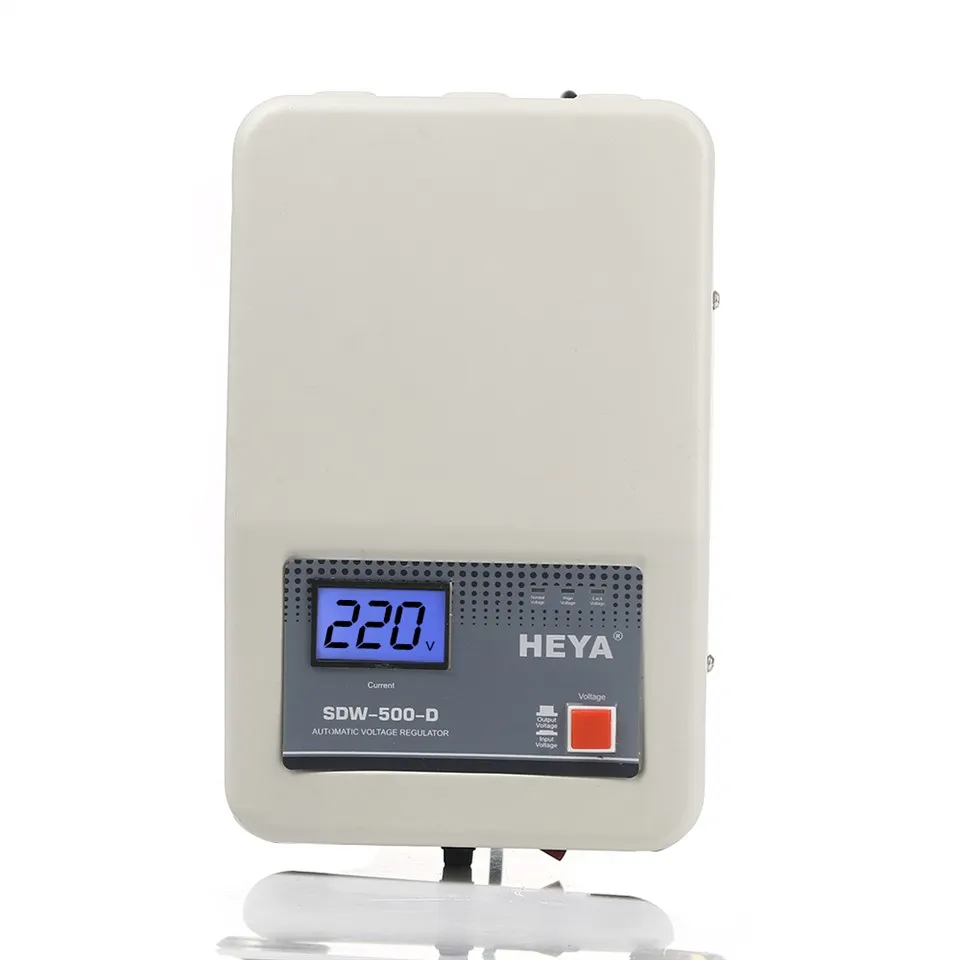
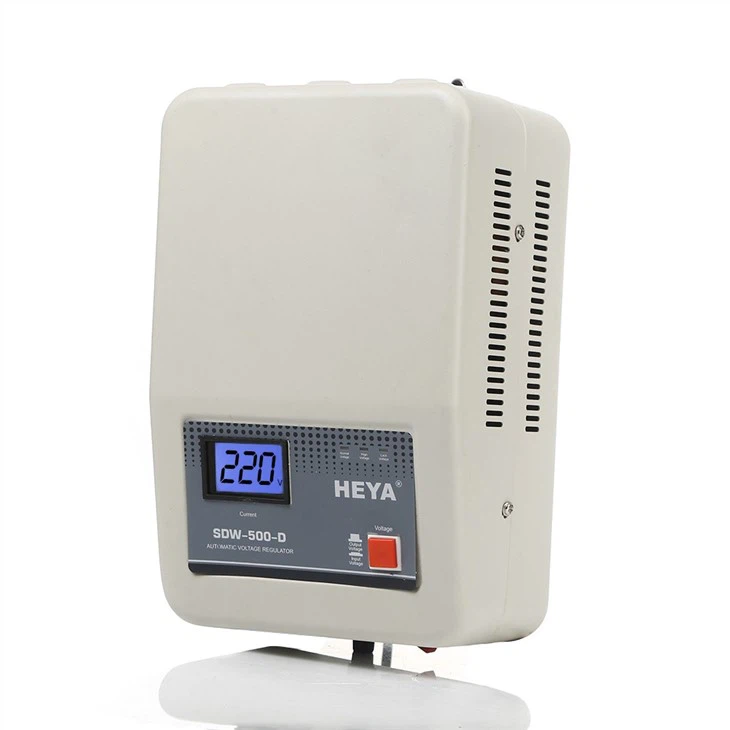
There are different types of household voltage regulators available on the market, each with its own features and applications. For example, the Socket Voltage Regulator is a convenient option that can be directly plugged into an electrical socket. It provides voltage regulation for a single electrical device connected to it. The Fully Automatic Ac Voltage Regulator is designed to automatically adjust the output voltage to a stable level, regardless of the input voltage fluctuations. This type of regulator is suitable for protecting multiple electrical appliances simultaneously. Another type is the Voltage Regulator for Pc, which is specifically optimized for protecting personal computers from voltage spikes and dips.
Working Mechanisms of Voltage Regulators
Most household voltage regulators work by using a combination of transformers, relays, and electronic circuits. When the input voltage varies, the regulator detects the change and adjusts the output voltage accordingly. For example, in a relay - based voltage regulator, the relays are switched to different taps on the transformer to change the turns ratio and thus regulate the output voltage.
Can a Household Voltage Regulator be Used for Electric Toothbrushes?
Potential Benefits
In theory, using a household voltage regulator for an electric toothbrush can offer some benefits. If you live in an area with frequent and significant voltage fluctuations in the power grid, a voltage regulator can protect the charging base of the electric toothbrush from damage. Voltage spikes can potentially fry the delicate electronic components in the charging base, and a voltage regulator can prevent this by maintaining a stable input voltage.
Potential Drawbacks
However, there are also some drawbacks to using a household voltage regulator for electric toothbrushes. Firstly, electric toothbrush charging bases are already equipped with their own internal voltage - regulating circuits. These circuits are specifically designed to work with the battery and motor of the toothbrush. Adding an external voltage regulator may disrupt the delicate balance of the internal circuits, leading to inefficient charging or even damage to the toothbrush.
Secondly, household voltage regulators are typically designed for higher - power electrical appliances. They are optimized to handle larger currents and power loads. Electric toothbrushes, on the other hand, consume very little power. Using a high - capacity voltage regulator for a low - power device like an electric toothbrush may not only be unnecessary but also wasteful in terms of energy consumption.
Practical Considerations
Compatibility
Before using a household voltage regulator with an electric toothbrush, it is essential to check the compatibility. Make sure that the voltage output range of the regulator matches the input voltage requirements of the toothbrush's charging base. Additionally, consider the frequency and magnitude of the voltage fluctuations in your area. If the voltage variations are minor and infrequent, an external voltage regulator may not be needed.
Cost - Benefit Analysis
Consider the cost of purchasing and operating a voltage regulator compared to the potential cost of replacing a damaged electric toothbrush. If the cost of the regulator is high and the likelihood of voltage - related damage to the toothbrush is low, it may not be a cost - effective solution.
Conclusion
In conclusion, while it is technically possible to use a household voltage regulator for an electric toothbrush, it is not always necessary or advisable. In most cases, the built - in voltage - regulating circuits in electric toothbrush charging bases are sufficient to handle normal voltage fluctuations. However, if you live in an area with severe voltage instability, using a properly selected voltage regulator may provide an extra layer of protection.
If you have any further questions about voltage regulators or are interested in finding the right voltage regulator for your specific needs, feel free to contact us for procurement and in - depth discussions. Our team of experts is always ready to assist you in making the best choice.
References
- "Electrical Engineering Handbook" by Richard C. Dorf
- Technical manuals of various electric toothbrush brands
- Product specifications of household voltage regulators