



As a dedicated supplier of household voltage regulators, I often encounter a variety of questions from customers regarding the compatibility and application of our products. One of the most frequently asked questions is whether a household voltage regulator can be used for washing machines. In this blog post, I will delve into this topic, providing a comprehensive analysis of the feasibility, benefits, and considerations when using a household voltage regulator with a washing machine.
Understanding the Need for Voltage Regulation
Before we discuss the compatibility of household voltage regulators with washing machines, it is essential to understand the importance of voltage regulation. Electrical appliances, including washing machines, are designed to operate within a specific voltage range. Deviations from this range can lead to various issues, such as reduced performance, premature wear and tear, and even permanent damage to the appliance.
In many regions, the voltage supplied by the power grid can fluctuate due to factors such as peak demand, power outages, and electrical interference. These fluctuations can be particularly problematic for sensitive electronic components found in modern washing machines, which rely on precise voltage levels to function correctly. A voltage regulator helps to stabilize the incoming voltage, ensuring that the washing machine receives a consistent and safe supply of power.
Compatibility of Household Voltage Regulators with Washing Machines
The good news is that in most cases, a household voltage regulator can be used for washing machines. However, there are several factors to consider to ensure compatibility and optimal performance.
Power Rating
The power rating of the voltage regulator is a crucial factor to consider. Washing machines typically have a relatively high power consumption, especially during the spin cycle. Therefore, it is essential to choose a voltage regulator with a power rating that can handle the maximum power requirements of the washing machine. As a general rule of thumb, the power rating of the voltage regulator should be at least 20% higher than the maximum power consumption of the washing machine to provide a safety margin.
Voltage Range
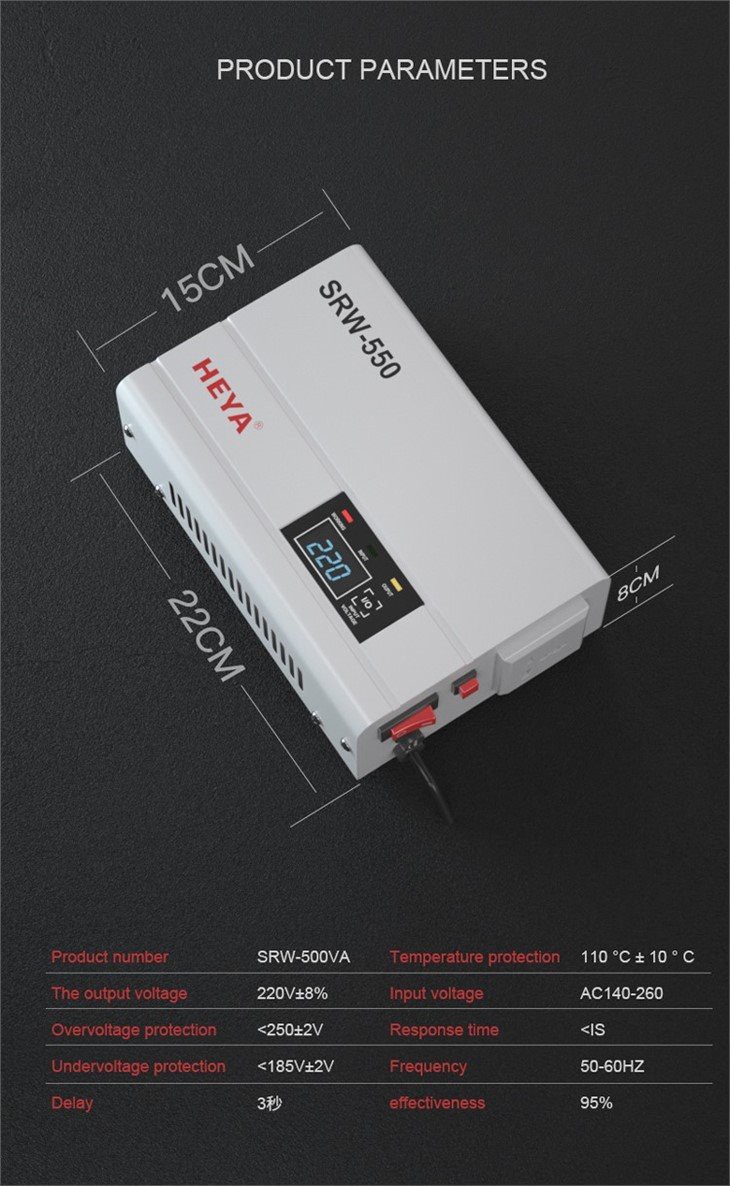
Another important consideration is the voltage range of the voltage regulator. Most washing machines are designed to operate within a voltage range of 110-240 volts. Therefore, it is crucial to choose a voltage regulator that can provide a stable output voltage within this range. Some voltage regulators offer a wide input voltage range, which can be beneficial in areas with significant voltage fluctuations.
Type of Voltage Regulator
There are several types of voltage regulators available on the market, including automatic voltage regulators (AVRs), servo voltage regulators, and static voltage regulators. Each type has its own advantages and disadvantages, and the choice of voltage regulator will depend on the specific requirements of the washing machine and the electrical environment.
- Automatic Voltage Regulator (AVR): AVRs are the most common type of voltage regulator used in households. They are relatively inexpensive, easy to install, and can provide a stable output voltage within a wide input voltage range. AVRs are suitable for most washing machines, especially those with a relatively low power consumption. You can find more information about Automatic Voltage Regulator for Pc on our website.
- Servo Voltage Regulator: Servo voltage regulators are more expensive than AVRs but offer higher precision and better performance. They use a servo motor to adjust the output voltage, which allows for more accurate voltage regulation. Servo voltage regulators are suitable for washing machines with a high power consumption or those that require a very stable output voltage.
- Static Voltage Regulator: Static voltage regulators are the most advanced type of voltage regulator. They use solid-state components to regulate the voltage, which provides a very fast response time and high precision. Static voltage regulators are suitable for washing machines with sensitive electronic components or those that require a very stable output voltage.
Benefits of Using a Household Voltage Regulator for Washing Machines
Using a household voltage regulator for washing machines offers several benefits, including:
Protection Against Voltage Fluctuations
As mentioned earlier, voltage fluctuations can cause damage to washing machines. A voltage regulator helps to protect the washing machine from these fluctuations by providing a stable output voltage. This can extend the lifespan of the washing machine and reduce the risk of costly repairs.
Improved Performance
A stable supply of power can improve the performance of the washing machine. By ensuring that the washing machine receives a consistent voltage, the motor can operate more efficiently, resulting in better washing and spinning performance.
Energy Efficiency
Using a voltage regulator can also improve the energy efficiency of the washing machine. By providing a stable output voltage, the motor can operate at its optimal efficiency, reducing energy consumption and saving money on electricity bills.

Considerations When Using a Household Voltage Regulator for Washing Machines
While using a household voltage regulator for washing machines offers many benefits, there are also some considerations to keep in mind.
Installation
Proper installation of the voltage regulator is crucial to ensure its safe and effective operation. It is recommended to have the voltage regulator installed by a qualified electrician to ensure that it is connected correctly and meets all electrical safety standards.
Maintenance
Like any electrical appliance, voltage regulators require regular maintenance to ensure their optimal performance. It is recommended to clean the voltage regulator regularly and check for any signs of damage or wear. If you notice any issues with the voltage regulator, it is important to have it repaired or replaced as soon as possible.
Cost
The cost of a voltage regulator can vary depending on its power rating, type, and features. While a voltage regulator can provide significant benefits, it is important to consider the cost and whether it is worth the investment. In some cases, the cost of the voltage regulator may be offset by the savings in energy consumption and reduced repair costs.
Conclusion
In conclusion, a household voltage regulator can be used for washing machines in most cases. By providing a stable output voltage, a voltage regulator can protect the washing machine from voltage fluctuations, improve its performance, and increase its energy efficiency. However, it is important to choose a voltage regulator with the appropriate power rating, voltage range, and type to ensure compatibility and optimal performance. If you have any questions or need further assistance in choosing a voltage regulator for your washing machine, please do not hesitate to contact us. We are a leading supplier of Portable Voltage Regulator and Ac Single Phase Voltage Regulator, and we are committed to providing our customers with high-quality products and excellent customer service.
If you are interested in purchasing a household voltage regulator for your washing machine or other electrical appliances, please contact us for more information. Our team of experts will be happy to assist you in choosing the right voltage regulator for your needs and provide you with a competitive quote. We look forward to hearing from you and helping you to ensure the safe and efficient operation of your electrical appliances.
References
- Electrical Engineering Handbook, Third Edition, by Richard C. Dorf
- Handbook of Electric Power Calculations, Fourth Edition, by Hadi Saadat
- National Electrical Code (NEC)