



Hey there! As a supplier of motor voltage regulators, I often get asked a pretty common question: "Can a motor voltage regulator be used in a single - phase motor?" Well, let's dig into this topic and find out.
First off, let's understand what a single - phase motor is. A single - phase motor is a type of electric motor that operates on a single - phase power supply. It's widely used in many household appliances like fans, washing machines, and small pumps. These motors are relatively simple in design and are quite popular due to their ease of use and lower cost compared to three - phase motors.
Now, what about motor voltage regulators? A motor voltage regulator is a device that helps maintain a stable voltage supply to the motor. It can adjust the output voltage according to the input voltage fluctuations, ensuring that the motor gets a consistent and appropriate amount of power. This is crucial because voltage variations can have a significant impact on the performance and lifespan of a motor.
So, can a motor voltage regulator be used in a single - phase motor? The short answer is yes! And there are several good reasons for using one.
Benefits of Using a Voltage Regulator in a Single - Phase Motor
1. Protection Against Voltage Fluctuations
In many areas, the power grid can experience voltage fluctuations. Sometimes the voltage can be too high, and other times it can drop below the normal level. High voltage can cause the motor to overheat, which may lead to insulation breakdown and ultimately motor failure. On the other hand, low voltage can make the motor draw more current to maintain its speed, which also causes overheating and can damage the motor windings. A motor voltage regulator can keep the voltage within a safe range, protecting the single - phase motor from these harmful effects.
2. Improved Efficiency
When a single - phase motor operates at a stable voltage, it can run more efficiently. An unstable voltage can cause the motor to consume more energy than necessary. For example, if the voltage is too low, the motor may struggle to turn the load, resulting in increased power consumption. A voltage regulator ensures that the motor gets the right amount of power, reducing energy waste and saving you money on your electricity bills.
3. Extended Motor Lifespan
By protecting the motor from voltage - related damage and improving its efficiency, a voltage regulator can significantly extend the lifespan of a single - phase motor. This means you won't have to replace your motor as often, which is not only cost - effective but also more environmentally friendly.
Types of Motor Voltage Regulators for Single - Phase Motors
There are different types of motor voltage regulators that can be used with single - phase motors. Let's take a look at some of them.
Digital Display Servo Voltage Regulator
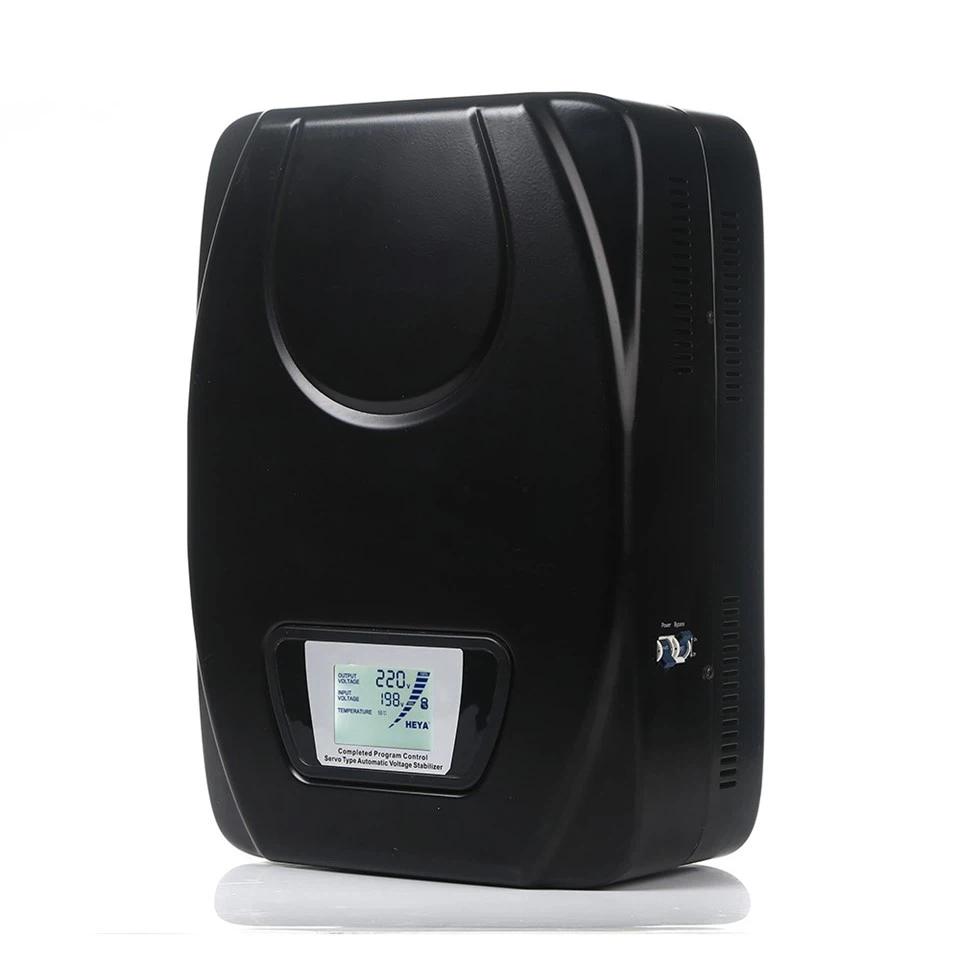
The Digital Display Servo Voltage Regulator is a high - tech option. It uses a servo - controlled mechanism to adjust the output voltage accurately. The digital display allows you to monitor the input and output voltage easily. This type of regulator is very precise and can respond quickly to voltage changes. It's suitable for single - phase motors that require a high level of voltage stability, such as those in sensitive electronic equipment or precision machinery.
TND Single Phase Voltage Regulator
The TND Single Phase Voltage Regulator is a popular choice for general - purpose single - phase motors. It's reliable and cost - effective. This regulator can handle a wide range of input voltage variations and provides a stable output voltage. It's commonly used in household appliances and small industrial equipment.
Small Voltage Regulator
If you have a small single - phase motor, like the ones in some portable devices or small fans, the Small Voltage Regulator might be the right option for you. It's compact and lightweight, making it easy to install. Despite its small size, it can still effectively regulate the voltage and protect the motor.
Considerations When Using a Motor Voltage Regulator with a Single - Phase Motor
While using a motor voltage regulator with a single - phase motor has many benefits, there are also a few things to consider.

1. Capacity
You need to choose a voltage regulator with the right capacity for your single - phase motor. If the regulator's capacity is too low, it won't be able to handle the motor's power requirements, and it may overheat or fail. On the other hand, if the capacity is too high, you'll be paying for more than you need. You can usually find the motor's power rating on its nameplate, and then select a regulator with a slightly higher capacity to ensure safe operation.
2. Installation
Proper installation is crucial for the effective operation of the voltage regulator. Make sure to follow the manufacturer's instructions carefully. Incorrect installation can not only affect the regulator's performance but also pose a safety hazard. If you're not confident in your installation skills, it's best to hire a professional electrician.
3. Maintenance
Like any electrical device, a motor voltage regulator requires regular maintenance. Check the regulator periodically for any signs of damage or wear, such as loose connections or overheating. Clean the regulator to prevent dust and debris from accumulating, which can affect its performance.
Conclusion
In conclusion, a motor voltage regulator can definitely be used in a single - phase motor, and it offers many benefits, including protection against voltage fluctuations, improved efficiency, and an extended motor lifespan. There are different types of regulators available, such as the Digital Display Servo Voltage Regulator, TND Single Phase Voltage Regulator, and Small Voltage Regulator, each suitable for different applications.
If you're considering using a motor voltage regulator for your single - phase motor, we're here to help. As a trusted supplier of motor voltage regulators, we have a wide range of products to meet your needs. Whether you need a regulator for a small household appliance or a larger industrial motor, we can provide you with the right solution. Contact us for more information and let's start a discussion about your specific requirements. We're looking forward to working with you to ensure your single - phase motors run smoothly and efficiently.
References
- Electric Motor Handbook, various editions
- Electrical Engineering Textbooks on Power Systems and Motor Control