


Can an AC motor voltage regulator reduce the starting current of an AC motor?
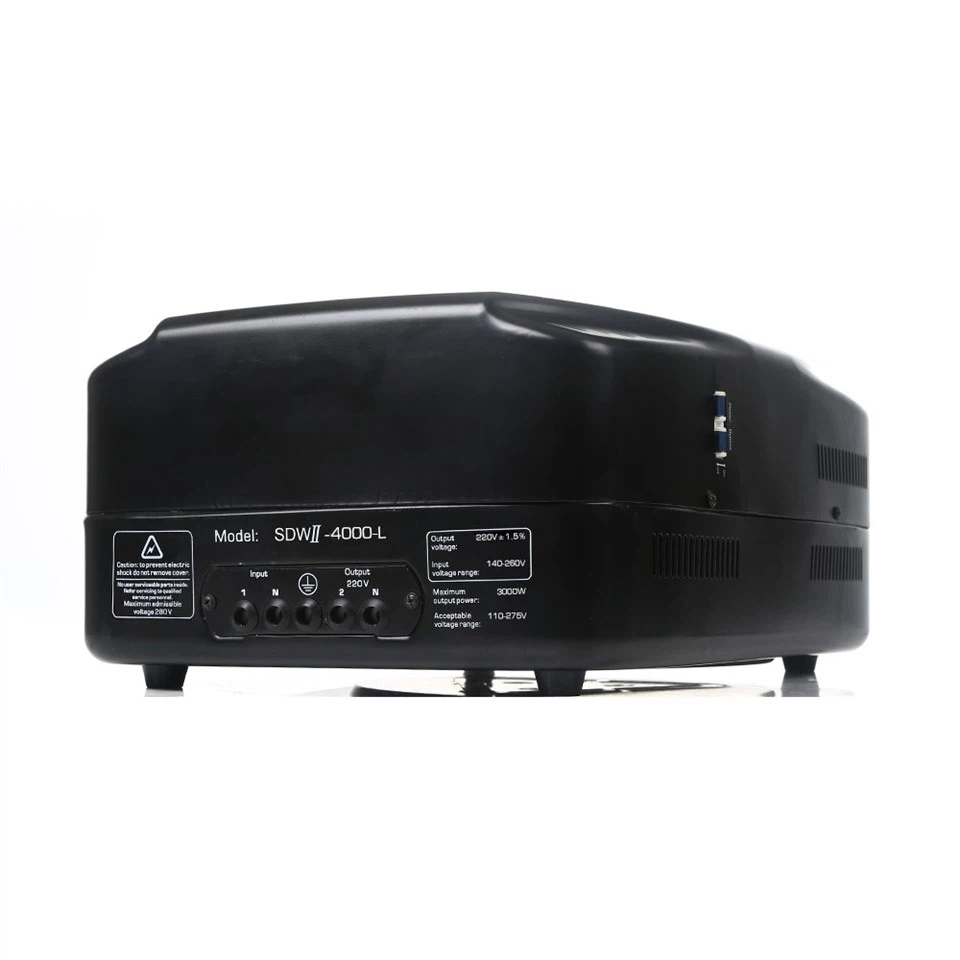

Hey there! I'm a supplier of Ac Motor Voltage Regulator, and today I wanna talk about whether an AC motor voltage regulator can reduce the starting current of an AC motor. It's a question I get a lot from my customers, so let's dig into it.
First off, let's understand why reducing the starting current of an AC motor is a big deal. When an AC motor starts up, it typically draws a current that can be 5 to 8 times higher than its normal operating current. This high starting current can cause a bunch of problems. For one, it can lead to voltage drops in the electrical system, which might affect other equipment connected to the same power source. It can also put a lot of stress on the motor windings and other components, potentially shortening the motor's lifespan. And let's not forget about the energy costs associated with this high inrush current.
So, can an AC motor voltage regulator come to the rescue? The short answer is yes, it can. But to understand how, we need to know a bit about how these regulators work.
An AC motor voltage regulator is designed to control the voltage supplied to the motor. By adjusting the voltage, we can have an impact on the motor's performance, including its starting current. When a motor starts, if we can limit the initial voltage applied to it, the starting current will also be reduced.
Let's take a closer look at the mechanism. Most AC motors operate based on the principle of electromagnetic induction. The torque produced by the motor is proportional to the square of the applied voltage. So, if we reduce the voltage during startup, the torque will also decrease, but at the same time, the starting current will be significantly lower. As the motor gradually reaches its operating speed, the voltage regulator can then increase the voltage to the normal operating level to ensure the motor can deliver the required power.
There are different types of AC motor voltage regulators out there. For instance, the Small Voltage Regulator is suitable for smaller AC motors. It can provide precise voltage control, which is crucial for reducing the starting current in these motors. On the other hand, for larger industrial motors, more powerful regulators like the TND Single Phase Voltage Regulator might be needed.
One of the key advantages of using an AC motor voltage regulator to reduce the starting current is that it's a relatively simple and cost - effective solution. Compared to other methods like using soft starters or variable frequency drives, voltage regulators are often more affordable and easier to install. They also don't require a lot of maintenance, which is a plus for many businesses.
However, it's important to note that using a voltage regulator to reduce the starting current has its limitations. Since the torque is reduced when the voltage is lowered during startup, the motor might take a bit longer to reach its full speed. In some applications where a quick startup is required, this could be a drawback. Also, if the load on the motor is too high during startup, reducing the voltage might not be sufficient to prevent the motor from stalling.
To make the most of an AC motor voltage regulator, proper sizing and selection are crucial. We need to consider factors such as the motor's power rating, the type of load it will be driving, and the electrical characteristics of the power supply. If you're not sure which regulator is right for your motor, it's always a good idea to consult with an expert.
In conclusion, an AC motor voltage regulator can definitely reduce the starting current of an AC motor. It offers a practical and cost - effective way to address the issues associated with high inrush current. Whether you have a small motor in a household appliance or a large industrial motor, there's likely a suitable voltage regulator for your needs.
If you're interested in purchasing an AC motor voltage regulator for your application, I'd love to have a chat with you. We can discuss your specific requirements and find the best solution for you. Contact me, and let's start the journey to a more efficient and reliable motor operation.
References
- Electric Machinery Fundamentals, Stephen J. Chapman
- Electrical Engineering: Principles and Applications, Allan R. Hambley