


In the realm of electronic devices, LCD displays have become ubiquitous, finding their way into a wide array of gadgets, from small handheld devices powered by batteries to large - scale monitors connected to the mains. As an LCD display stabilizer supplier, I often encounter a question from customers: Can an LCD display stabilizer be used with a battery - powered LCD device? This blog post aims to delve into this topic, exploring the technical aspects, potential benefits, and limitations.
Understanding LCD Display Stabilizers
Before we address the main question, it's essential to understand what an LCD display stabilizer does. An LCD display stabilizer is a device designed to regulate the voltage supplied to an LCD display. Fluctuations in voltage can lead to various display issues, such as flickering, color distortion, and reduced brightness. By maintaining a stable voltage output, the stabilizer ensures that the LCD display operates at its optimal performance level, providing a clear, sharp, and consistent image.
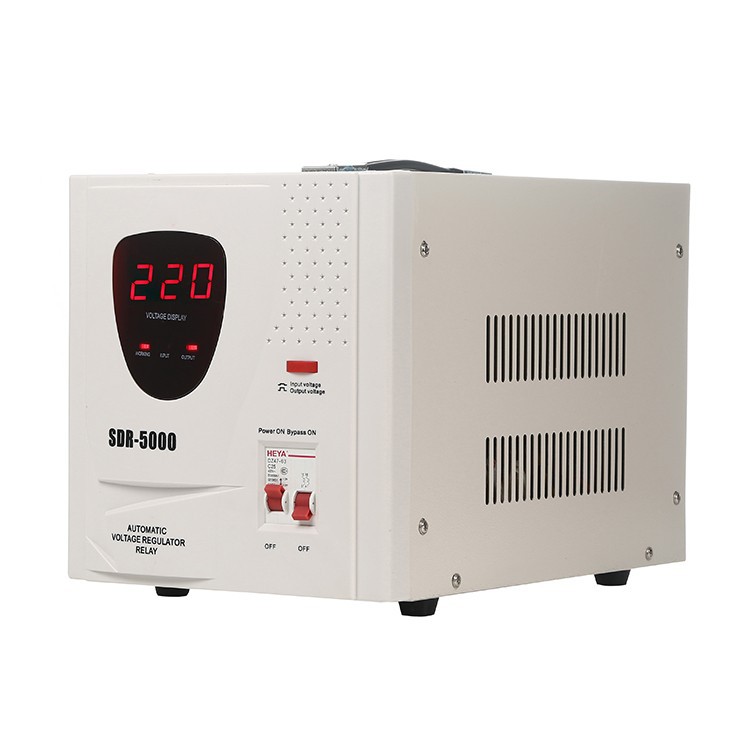
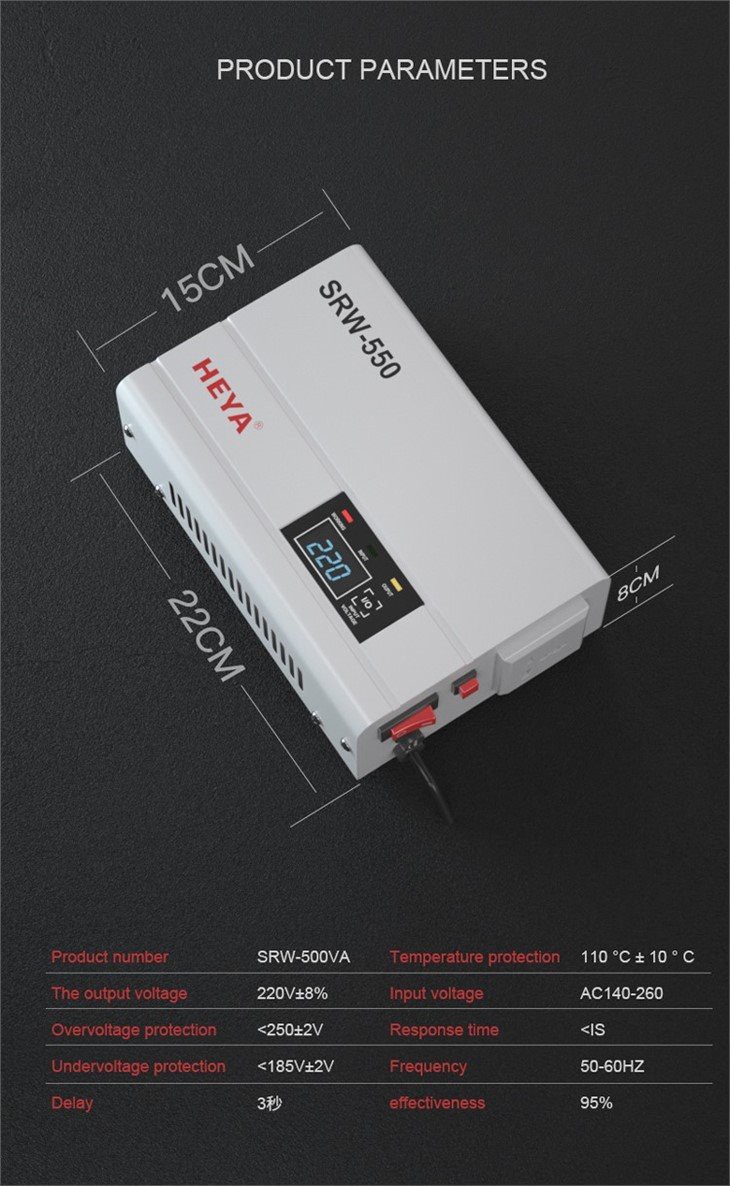
There are different types of voltage stabilizers available in the market. For instance, the Home Appliances Voltage Regulator is commonly used for larger home appliances, while the Wall Mounted Voltage Stabilizer offers a convenient solution for devices that can be installed on the wall. The Portable Voltage Regulator is designed for on - the - go use, which might seem relevant for battery - powered devices.
Battery - Powered LCD Devices: Characteristics
Battery - powered LCD devices, such as smartphones, tablets, portable gaming consoles, and some handheld medical devices, have unique power characteristics. Batteries provide a direct current (DC) power source, and their voltage gradually decreases as they discharge. The internal power management systems of these devices are designed to handle this voltage drop to a certain extent. They use components like DC - DC converters to step up or step down the battery voltage to the appropriate levels required by the LCD display and other internal components.
Compatibility of LCD Display Stabilizers with Battery - Powered Devices
Technical Compatibility
The first consideration when using an LCD display stabilizer with a battery - powered device is technical compatibility. Most LCD display stabilizers are designed to work with alternating current (AC) power sources, which are commonly available from the mains. These stabilizers use transformers and other components to regulate the AC voltage. Since battery - powered devices use DC power, a direct connection of an AC - based stabilizer to a battery - powered LCD device is not possible without additional conversion circuitry.
However, there are DC - based voltage stabilizers available in the market. These stabilizers can be used to regulate the DC voltage from the battery. But even then, the voltage requirements of different battery - powered LCD devices can vary significantly. For example, a smartphone might operate at a low - voltage DC supply (e.g., 3.7V - 4.2V for a lithium - ion battery), while a larger portable monitor might require a higher voltage. The stabilizer must be carefully selected to match the input and output voltage requirements of the specific battery - powered device.
Need for Stabilization
Another aspect to consider is whether a battery - powered LCD device actually needs a stabilizer. As mentioned earlier, modern battery - powered devices are equipped with internal power management systems. These systems are designed to maintain a relatively stable voltage supply to the LCD display even as the battery discharges. In many cases, the internal regulation is sufficient to prevent significant display issues caused by voltage fluctuations.
However, there are situations where an external stabilizer might be beneficial. For example, if the battery is old or of poor quality, it might experience more significant voltage drops during high - load operations. This can lead to display flickering or other issues. In such cases, a well - matched DC voltage stabilizer can help maintain a stable voltage supply to the LCD display, improving the overall viewing experience.
Benefits of Using an LCD Display Stabilizer with Battery - Powered Devices
Improved Display Quality
One of the primary benefits of using an LCD display stabilizer with a battery - powered device is improved display quality. By ensuring a stable voltage supply, the stabilizer can eliminate flickering, which is not only annoying but can also cause eye strain. It can also prevent color distortion and ensure consistent brightness across the display, providing a more immersive viewing experience.
Extended Device Lifespan
A stable voltage supply can also extend the lifespan of the LCD display. Fluctuations in voltage can put additional stress on the display components, leading to premature wear and tear. By using a stabilizer to maintain a consistent voltage, the risk of component failure is reduced, and the display can last longer.
Limitations and Considerations
Size and Portability
Adding an external stabilizer to a battery - powered device can increase its size and weight. For small, portable devices like smartphones and tablets, this can be a significant drawback. The additional bulk might make the device less convenient to carry around, defeating the purpose of its portability.
Cost
Another limitation is the cost. Purchasing an external LCD display stabilizer adds to the overall cost of the device. For some users, the cost - benefit ratio might not be favorable, especially if the internal power management system of the device is already doing a good job of regulating the voltage.
Conclusion
In conclusion, while it is technically possible to use an LCD display stabilizer with a battery - powered LCD device, it requires careful consideration. Technical compatibility, the actual need for stabilization, and the associated benefits and limitations must all be taken into account. For users who experience display issues due to voltage fluctuations in their battery - powered devices, a well - selected DC - based voltage stabilizer can be a valuable addition.
As an LCD display stabilizer supplier, I am committed to providing high - quality products that meet the diverse needs of our customers. If you are interested in exploring the possibility of using an LCD display stabilizer with your battery - powered device, or if you have any questions about our products, please feel free to contact us for a detailed discussion and procurement negotiation. We look forward to working with you to find the best solution for your display stabilization needs.
References
- Smith, J. (2020). Electronic Device Power Management. New York: Tech Publishing.
- Brown, A. (2019). LCD Display Technology and Applications. London: Display Press.