


Hey there! As a supplier of AC motor voltage regulators, I've seen firsthand how these nifty devices can have a huge impact on motor performance. In this blog, I'm gonna break down the ins and outs of how an AC motor voltage regulator affects your motor, so you can make the smartest choice for your setup.
Let's start with the basics. An AC motor voltage regulator is a device that helps maintain a stable voltage supply to your motor. You see, motors are pretty sensitive to changes in voltage. If the voltage is too high, it can cause the motor to overheat, draw too much current, and ultimately lead to premature wear and tear. On the other hand, if the voltage is too low, the motor might not have enough power to run efficiently, resulting in reduced speed, torque, and overall performance.
One of the key ways a voltage regulator affects motor performance is by providing a consistent voltage level. When the input voltage fluctuates, which is pretty common in many electrical systems, the regulator kicks in and adjusts the output voltage to keep it within a safe and optimal range for the motor. This stability is crucial because it allows the motor to operate at its intended efficiency and performance levels.
For instance, let's say you've got a small industrial motor running in a factory where the power grid experiences occasional voltage spikes and dips. Without a voltage regulator, these fluctuations could cause the motor to run erratically, leading to inconsistent production and potentially damaging the motor over time. But with a Small Voltage Regulator in place, the motor will receive a steady stream of power, ensuring smooth and reliable operation.
Another important aspect is the impact on motor efficiency. Motors are designed to operate at a specific voltage, and when they receive the correct voltage, they can convert electrical energy into mechanical energy more effectively. A voltage regulator helps ensure that the motor gets the right amount of voltage, which means it can run more efficiently, using less energy and saving you money on your electricity bills.
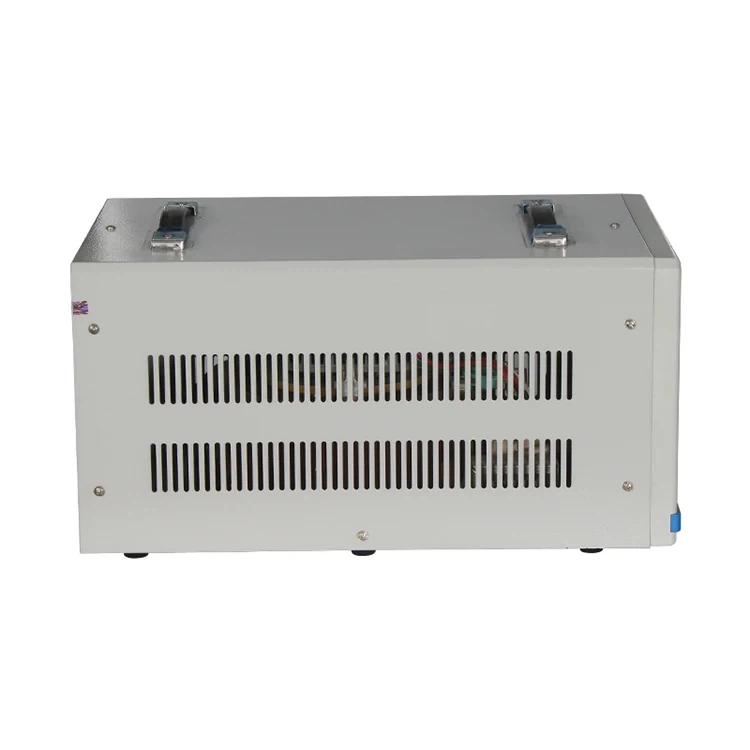
Take a look at the Svc Automatic Voltage Regulator. This type of regulator is known for its ability to quickly and accurately adjust the voltage to match the motor's requirements. By maintaining the optimal voltage, it reduces losses in the motor and improves its overall efficiency. This not only benefits your bottom line but also makes your operation more environmentally friendly by reducing energy consumption.
Torque is yet another critical factor in motor performance, and a voltage regulator can play a significant role here too. Torque is the rotational force that allows the motor to do work, like turning a shaft or driving a conveyor belt. When the voltage is too low, the motor may not be able to generate enough torque to start or run the load properly. A voltage regulator can prevent this by ensuring that the motor has enough voltage to produce the required torque.
Imagine you're using a large motor to power a heavy-duty machine. If the voltage drops during startup, the motor might struggle to get the machine moving, leading to a longer startup time and increased wear on the motor. But with a Voltage Regulator 10000 Watt, you can be confident that the motor will have the necessary voltage to generate sufficient torque right from the start, ensuring a smooth and efficient operation.
In addition to these performance benefits, a voltage regulator can also extend the lifespan of your motor. By protecting the motor from voltage fluctuations, it reduces the stress on the motor's components, such as the windings and bearings. Over time, this can prevent premature failure and save you the cost and hassle of frequent motor replacements.
So, if you're looking to improve the performance of your AC motors, a voltage regulator is definitely a smart investment. Whether you're running a small business or a large industrial operation, the right voltage regulator can make a world of difference.
At our company, we offer a wide range of AC motor voltage regulators to suit different needs and applications. Our team of experts is always on hand to help you choose the best regulator for your specific requirements. If you're interested in learning more or discussing a potential purchase, don't hesitate to reach out. We're here to make sure you get the most out of your motors and achieve the best possible performance.
In conclusion, an AC motor voltage regulator is an essential component for any motor-driven system. It provides stability, improves efficiency, enhances torque, and extends the lifespan of your motor. So, why wait? Take the first step towards better motor performance and contact us today to explore our range of voltage regulators.
References

- Electrical Engineering textbooks on motor control and power systems
- Industry reports on the impact of voltage regulation on motor performance