



As a supplier of Variac Variable Regulators, I've witnessed firsthand the critical role these devices play in maintaining stable electrical systems. One of the most common concerns among our customers is how input voltage fluctuation affects the output of a Variac Variable Regulator. In this blog post, I'll delve into the technical aspects of this issue, providing insights based on our years of experience in the industry.
Understanding the Basics of a Variac Variable Regulator
Before we discuss the impact of input voltage fluctuation, let's first understand what a Variac Variable Regulator is. A Variac is a type of autotransformer that allows for continuous adjustment of the output voltage. It consists of a single winding with a sliding brush that can make contact at different points along the winding. By moving the brush, the number of turns in the secondary circuit can be varied, thereby changing the output voltage.
The primary function of a Variac Variable Regulator is to provide a stable and adjustable output voltage, regardless of the input voltage. This makes it an essential component in a wide range of applications, including laboratory equipment, industrial machinery, and power distribution systems.
The Effects of Input Voltage Fluctuation on Output
Input voltage fluctuation can have several significant effects on the output of a Variac Variable Regulator. These effects can be broadly categorized into three main areas: voltage regulation, power quality, and device lifespan.
Voltage Regulation
The primary purpose of a Variac Variable Regulator is to maintain a stable output voltage. However, when the input voltage fluctuates, the regulator must work harder to compensate for these changes. If the input voltage drops below the regulator's minimum operating range, the output voltage may also decrease, potentially causing equipment malfunction or damage. Conversely, if the input voltage rises above the regulator's maximum operating range, the output voltage may increase, leading to overvoltage conditions.
To illustrate this point, let's consider an example. Suppose a Variac Variable Regulator is set to provide an output voltage of 120V. If the input voltage drops from 130V to 110V, the regulator must increase the number of turns in the secondary circuit to maintain the output voltage at 120V. However, if the input voltage drops too low, the regulator may not be able to compensate fully, resulting in a decrease in the output voltage.
Power Quality
In addition to affecting voltage regulation, input voltage fluctuation can also impact the quality of the output power. Fluctuations in the input voltage can cause harmonic distortion, which refers to the presence of unwanted frequencies in the output waveform. Harmonic distortion can lead to a variety of problems, including increased power consumption, overheating of equipment, and interference with sensitive electronic devices.
For example, if the input voltage contains high levels of harmonics, the Variac Variable Regulator may not be able to filter them out effectively. As a result, these harmonics will be present in the output voltage, potentially causing problems for connected equipment.
Device Lifespan
Finally, input voltage fluctuation can also have a significant impact on the lifespan of a Variac Variable Regulator. When the input voltage fluctuates, the regulator must work harder to maintain a stable output voltage. This increased workload can cause the regulator's components to wear out more quickly, leading to premature failure.
For instance, if the input voltage frequently exceeds the regulator's maximum operating range, the insulation on the winding may break down, causing a short circuit. Similarly, if the input voltage drops too low, the regulator's brushes may experience excessive wear, reducing their lifespan.
Mitigating the Effects of Input Voltage Fluctuation
Given the potential negative effects of input voltage fluctuation on the output of a Variac Variable Regulator, it's essential to take steps to mitigate these effects. Here are some strategies that can help:
Use a Voltage Stabilizer
One of the most effective ways to mitigate the effects of input voltage fluctuation is to use a Adjustable Voltage Stabilizer. A voltage stabilizer is a device that automatically adjusts the input voltage to a stable level before it reaches the Variac Variable Regulator. This helps to ensure that the regulator receives a consistent input voltage, reducing the need for it to compensate for fluctuations.
Select the Right Regulator
When choosing a Variac Variable Regulator, it's important to select a model that is suitable for your specific application. Consider factors such as the input voltage range, output voltage requirements, and load capacity. By choosing a regulator that is properly sized and rated for your application, you can minimize the impact of input voltage fluctuation on the output.
Regular Maintenance and Monitoring
Regular maintenance and monitoring are essential for ensuring the optimal performance of a Variac Variable Regulator. This includes checking the input and output voltages regularly, inspecting the regulator's components for signs of wear or damage, and cleaning the brushes and contacts to prevent corrosion.
The Importance of Choosing the Right Supplier
When it comes to purchasing a Variac Variable Regulator, choosing the right supplier is crucial. A reputable supplier will not only provide high-quality products but also offer technical support and after-sales service to ensure that your regulator operates effectively and efficiently.
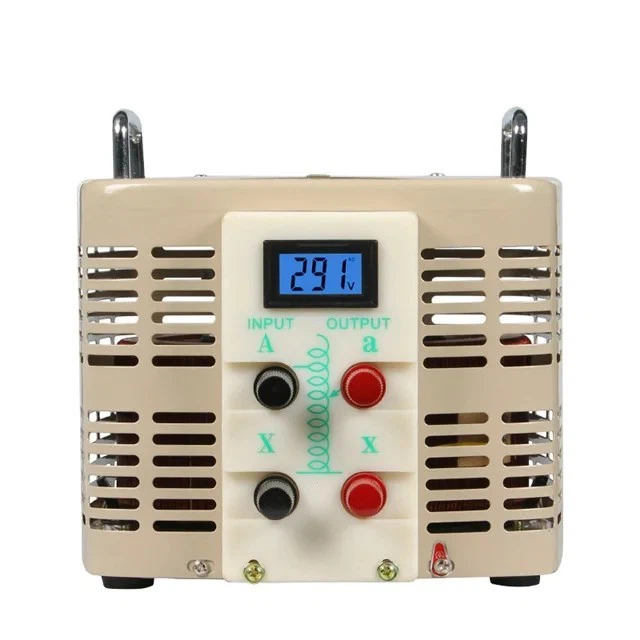

As a supplier of Single Phase Variac Voltage Regulators, we understand the importance of providing our customers with reliable and innovative solutions. Our regulators are designed to meet the highest standards of quality and performance, and we offer a wide range of models to suit different applications and requirements.
Conclusion
In conclusion, input voltage fluctuation can have a significant impact on the output of a Variac Variable Regulator. These effects can include voltage regulation issues, power quality problems, and reduced device lifespan. However, by understanding these effects and taking appropriate measures to mitigate them, you can ensure the optimal performance of your regulator and protect your equipment from damage.
If you're in the market for a Variac Variable Regulator or have any questions about how to mitigate the effects of input voltage fluctuation, please don't hesitate to contact us. Our team of experts is always available to provide you with the information and support you need to make an informed decision.
References
- Electrical Engineering Handbook, Third Edition, edited by Richard C. Dorf
- Power Electronics: Converters, Applications, and Design, Third Edition, by Ned Mohan, Tore M. Undeland, and William P. Robbins
- Handbook of Electric Power Calculations, Fourth Edition, by Hadi Saadat