


Hey there! As a supplier of Servo Motor Stabilizers, I often get asked about how the self - diagnostic function of these stabilizers works. So, I thought I'd take some time to break it down for you in this blog post.

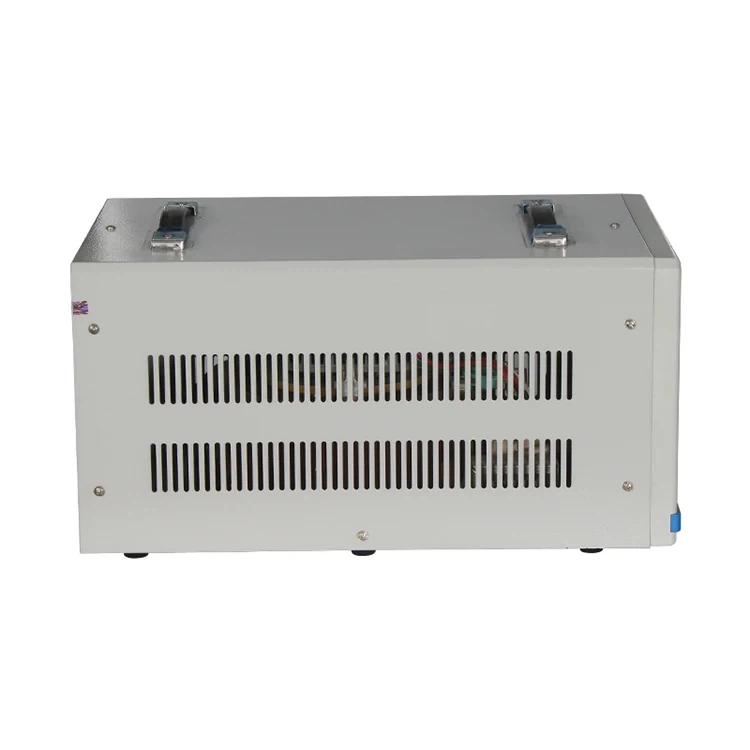
First off, let's understand what a servo motor stabilizer is. In simple terms, it's a device that helps maintain a stable voltage supply to a servo motor. Servo motors are super sensitive to voltage fluctuations. Even a small change in voltage can mess up their performance, leading to inaccurate movements, overheating, and in some cases, even damage to the motor itself. That's where the servo motor stabilizer steps in.
Now, the self - diagnostic function is like having a little detective inside the stabilizer. It constantly monitors the various parameters of the stabilizer and the connected servo motor to make sure everything is running smoothly.
Monitoring Voltage Levels
One of the primary things the self - diagnostic function does is keep an eye on the input and output voltage. It has built - in sensors that measure the voltage at different points in the system. For example, it will check the incoming voltage from the power source. If the input voltage is too high or too low, it could be a sign of a problem with the power supply.
Let's say the input voltage suddenly spikes. The self - diagnostic function will detect this immediately. It will then compare the actual voltage with the pre - set voltage range that the servo motor can handle. If the spike is outside this range, the stabilizer will take action. It might adjust its internal components to try and bring the output voltage back to a safe level for the servo motor.
On the other hand, if the input voltage drops, the stabilizer will also notice. It can boost the voltage to ensure that the servo motor still gets the right amount of power. This continuous monitoring of voltage levels helps prevent damage to the servo motor due to over - or under - voltage conditions.
Checking for Overheating
Another crucial aspect that the self - diagnostic function monitors is the temperature of the stabilizer. Just like any electronic device, servo motor stabilizers generate heat when they're working. But if the temperature gets too high, it can cause problems.
The stabilizer has temperature sensors placed at strategic locations. These sensors constantly send data about the temperature to the self - diagnostic system. If the temperature exceeds a certain threshold, it could indicate that there's an issue, such as a malfunctioning component or a problem with the cooling system.
When the self - diagnostic function detects overheating, it can trigger an alarm. This could be an audible beep or a visual indicator on the stabilizer's control panel. In some cases, it might even shut down the stabilizer to prevent further damage. Once the temperature has cooled down, the stabilizer can be restarted, and the self - diagnostic function will continue to monitor.
Inspecting Component Performance
The self - diagnostic function also checks the performance of the individual components inside the stabilizer. Components like capacitors, resistors, and transistors play a vital role in regulating the voltage.
It does this by measuring the electrical characteristics of these components. For example, it can check the capacitance of a capacitor. If the measured value is significantly different from the expected value, it could mean that the capacitor is faulty.
When a faulty component is detected, the self - diagnostic function can provide information about which component is at fault. This is really helpful for maintenance. Technicians can quickly identify the problem and replace the faulty component, minimizing downtime.
Communication and Reporting
Modern servo motor stabilizers are often equipped with communication interfaces. The self - diagnostic function can use these interfaces to send data and reports about the stabilizer's status.
For example, it can connect to a local network or even the internet. This allows remote monitoring of the stabilizer. Operators can access the stabilizer's data from a computer or a mobile device. They can see real - time information about voltage levels, temperature, and component status.
The self - diagnostic function can also generate detailed reports. These reports can be used for analysis and troubleshooting. They can show trends over time, such as how often the stabilizer has had to adjust the voltage or when it has detected overheating.
Benefits of the Self - Diagnostic Function
The self - diagnostic function offers several benefits. Firstly, it enhances the reliability of the servo motor system. By constantly monitoring and detecting problems early, it can prevent major breakdowns. This means less downtime for your equipment, which is crucial for any business.
Secondly, it reduces maintenance costs. Instead of having to perform regular manual inspections, the self - diagnostic function can do the job automatically. It can also provide accurate information about which components need to be replaced, saving time and money on unnecessary repairs.
Finally, it gives you peace of mind. Knowing that your servo motor stabilizer is constantly monitoring itself and taking action when needed means you can focus on other aspects of your operations without worrying about voltage - related issues.
Related Products
If you're interested in servo motor stabilizers or related products, we have some great options. Check out our High Precision Ac Voltage Regulator, which offers precise voltage regulation for sensitive equipment. Our Voltage Regulator 10000 Watt is perfect for high - power applications. And of course, our Servo Motor Voltage Regulator is designed specifically to meet the needs of servo motors.
Contact for Purchase
If you're looking to purchase a servo motor stabilizer or have any questions about our products, don't hesitate to get in touch. We're here to help you find the right solution for your needs. Whether you're a small business or a large industrial operation, we have the expertise and the products to keep your servo motors running smoothly.
References
- "Handbook of Electric Power Calculations" by Hadi Saadat
- "Power Electronics: Converters, Applications, and Design" by Ned Mohan, Tore M. Undeland, and William P. Robbins