



Hey there! As a supplier of Motor Voltage Regulators, I've seen firsthand how crucial it is to know how to adjust the output voltage of these nifty devices. In this blog, I'm gonna share some tips and tricks on just that, so you can get the most out of your regulator.
Understanding the Basics of a Motor Voltage Regulator
First things first, let's talk about what a motor voltage regulator actually does. Essentially, it's a device that controls the voltage supplied to a motor, ensuring that it runs smoothly and efficiently. It does this by adjusting the output voltage based on the input voltage and the load requirements of the motor.
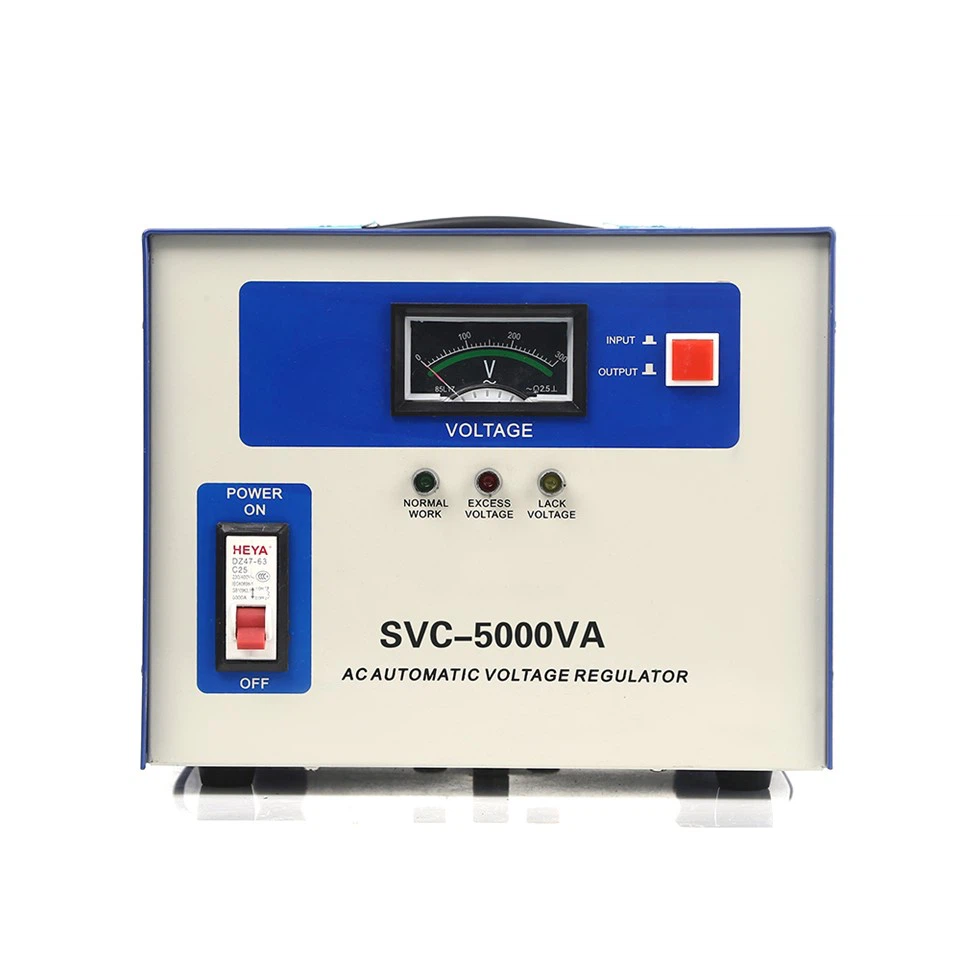
There are different types of motor voltage regulators out there, like Small Voltage Regulator, Servo Motor Stabilizer, and High Precision Ac Voltage Regulator. Each type has its own unique features and benefits, but the general principle of operation remains the same.
Why Adjusting the Output Voltage Matters
So, why would you want to adjust the output voltage of your motor voltage regulator? Well, there are a few reasons. For starters, different motors have different voltage requirements. If you supply too much voltage, it can cause the motor to overheat and potentially damage it. On the other hand, if you supply too little voltage, the motor may not run at its optimal speed or may not start at all.
Adjusting the output voltage can also help improve the efficiency of your motor. By supplying the right amount of voltage, you can reduce energy waste and lower your electricity bills. Additionally, it can extend the lifespan of your motor by reducing wear and tear.
Steps to Adjust the Output Voltage
Now that you understand why adjusting the output voltage is important, let's get into the steps to actually do it.
Step 1: Read the Manual
Before you start making any adjustments, it's crucial to read the manual that came with your motor voltage regulator. The manual will provide you with specific instructions on how to adjust the output voltage for your particular model. It may also include important safety information, so make sure you don't skip this step.
Step 2: Check the Input Voltage
To ensure that you're making the right adjustments, you need to know the input voltage. Use a voltmeter to measure the voltage coming into the regulator. This will give you a baseline and help you determine how much you need to adjust the output voltage.
Step 3: Locate the Adjustment Knob or Screw
Most motor voltage regulators have an adjustment knob or screw that you can use to change the output voltage. Look for this on the regulator itself. It's usually clearly marked, but if you're having trouble finding it, refer to the manual.
Step 4: Make Small Adjustments
Once you've located the adjustment knob or screw, start making small adjustments. Turn it clockwise to increase the output voltage or counterclockwise to decrease it. Make sure you adjust it slowly and in small increments.
Step 5: Monitor the Output Voltage
As you make adjustments, use a voltmeter to monitor the output voltage. This will help you ensure that you're getting the desired voltage. Keep making adjustments until you reach the appropriate output voltage for your motor.

Step 6: Test the Motor
After you've adjusted the output voltage, it's time to test the motor. Turn it on and observe its performance. Does it start smoothly? Does it run at the right speed? If everything looks good, then you've successfully adjusted the output voltage. If not, you may need to make further adjustments.
Troubleshooting Tips
If you're having trouble adjusting the output voltage or if the motor isn't performing as expected, here are some troubleshooting tips:
- Check for loose connections: Make sure all the connections between the regulator and the motor are tight. Loose connections can cause voltage drops and affect the performance of the motor.
- Inspect the wiring: Look for any damaged or frayed wires. Damaged wiring can also lead to voltage problems.
- Verify the load: Ensure that the motor isn't overloaded. An overloaded motor can draw too much current and cause the voltage to drop.
- Contact technical support: If you've tried everything and you're still having issues, don't hesitate to contact our technical support team. We're here to help you resolve any problems you may encounter.
Conclusion
Adjusting the output voltage of a motor voltage regulator is an important skill that can help you get the most out of your motor. By following the steps outlined in this blog and using the troubleshooting tips, you should be able to make the necessary adjustments with ease.
If you're looking for high - quality motor voltage regulators or need more information about adjusting the output voltage, feel free to reach out. We're a trusted supplier of Small Voltage Regulator, Servo Motor Stabilizer, and High Precision Ac Voltage Regulator. We'd be more than happy to assist you with your purchase and answer any questions you may have.
Let's work together to ensure your motors run smoothly and efficiently. Don't hesitate to start a conversation with us about your procurement needs.
References
- General knowledge on motor voltage regulators from industry experience.
- Manufacturer's manuals of various motor voltage regulators.