



As a supplier of Ac Motor Voltage Regulators, ensuring that our products meet relevant standards is of utmost importance. Not only does it guarantee the safety and performance of the regulators, but it also builds trust with our customers. In this blog post, I will share some key steps on how to check if an AC motor voltage regulator meets the relevant standards.
Understanding the Standards
Before we start the checking process, it's essential to have a clear understanding of the relevant standards. Different regions and industries may have specific standards for AC motor voltage regulators. For example, in the United States, the National Electrical Manufacturers Association (NEMA) sets standards for electrical equipment, including voltage regulators. In Europe, the International Electrotechnical Commission (IEC) standards are widely recognized.
These standards cover various aspects such as electrical safety, performance, efficiency, and electromagnetic compatibility. For instance, safety standards ensure that the regulator does not pose a risk of electric shock, overheating, or fire. Performance standards define the accuracy of voltage regulation, response time, and load capacity.
Visual Inspection
The first step in checking an AC motor voltage regulator is a visual inspection. This can reveal obvious signs of damage or non - compliance.
- Physical Damage: Check for any cracks, dents, or scratches on the regulator's housing. A damaged housing can compromise the protection of internal components and may lead to safety hazards. For example, a crack in the housing could expose live parts, increasing the risk of electric shock.
- Labeling: The regulator should have clear and legible labels indicating its specifications, such as rated voltage, current, frequency, and power. The labels should also include safety warnings and compliance markings. For example, a CE mark indicates compliance with European safety, health, and environmental protection standards.
Electrical Safety Checks
Electrical safety is a critical aspect of any electrical equipment, including AC motor voltage regulators.
- Insulation Resistance: Use an insulation resistance tester to measure the resistance between the live parts and the ground. A high insulation resistance value (usually in the order of megohms) indicates good insulation and reduces the risk of electric shock. Low insulation resistance may be due to moisture ingress, damaged insulation, or contamination.
- Earth Continuity: Ensure that the regulator has a proper earth connection. Use a continuity tester to check the resistance between the earth terminal and the metal parts of the regulator. A low resistance value (close to zero) indicates a good earth connection, which is essential for safety in case of a fault.
Performance Testing
The performance of an AC motor voltage regulator is crucial to its proper functioning.
- Voltage Regulation Accuracy: Connect the regulator to a test load and measure the output voltage under different input voltage and load conditions. The output voltage should remain within the specified tolerance range. For example, if the rated output voltage is 220V with a tolerance of ± 5%, the output voltage should be between 209V and 231V under normal operating conditions.
- Response Time: The regulator should be able to respond quickly to changes in input voltage or load. Use a data logger to record the output voltage during sudden changes in input voltage or load. The response time is the time it takes for the output voltage to return to within the specified tolerance range after a change.
Efficiency Testing
Efficiency is an important factor in an AC motor voltage regulator, as it affects energy consumption and operating costs.
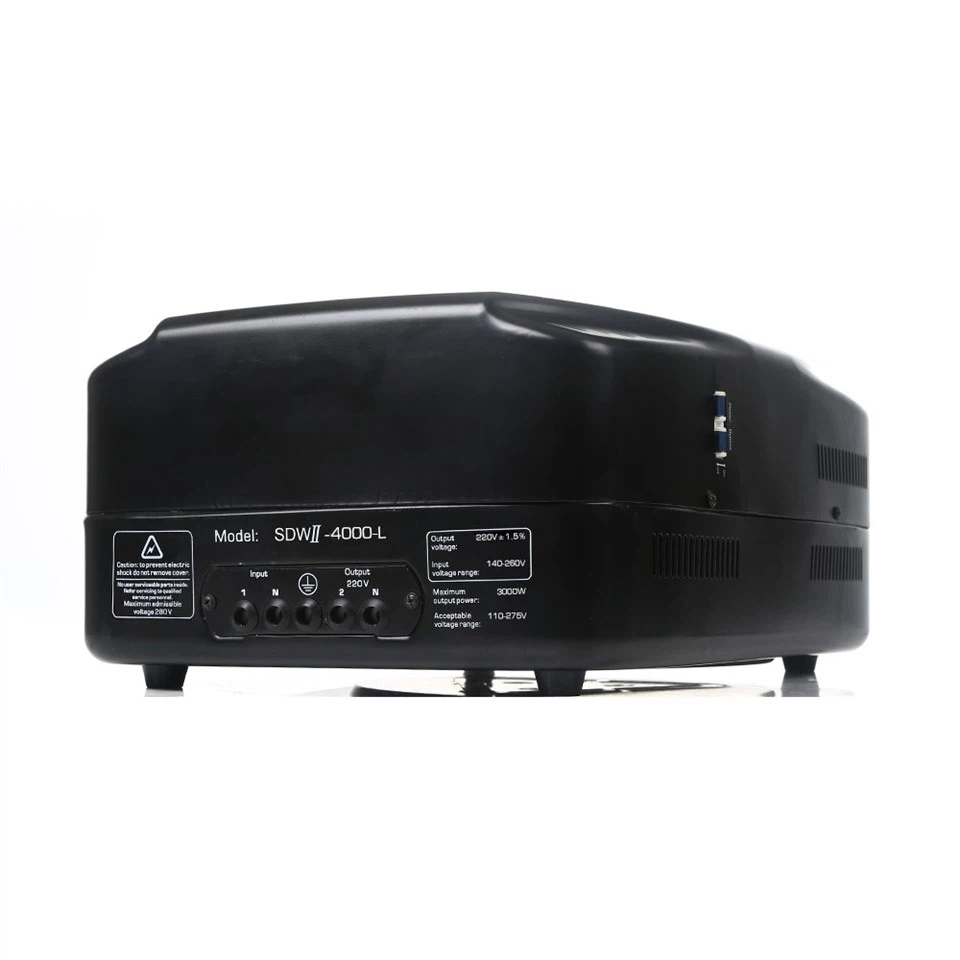
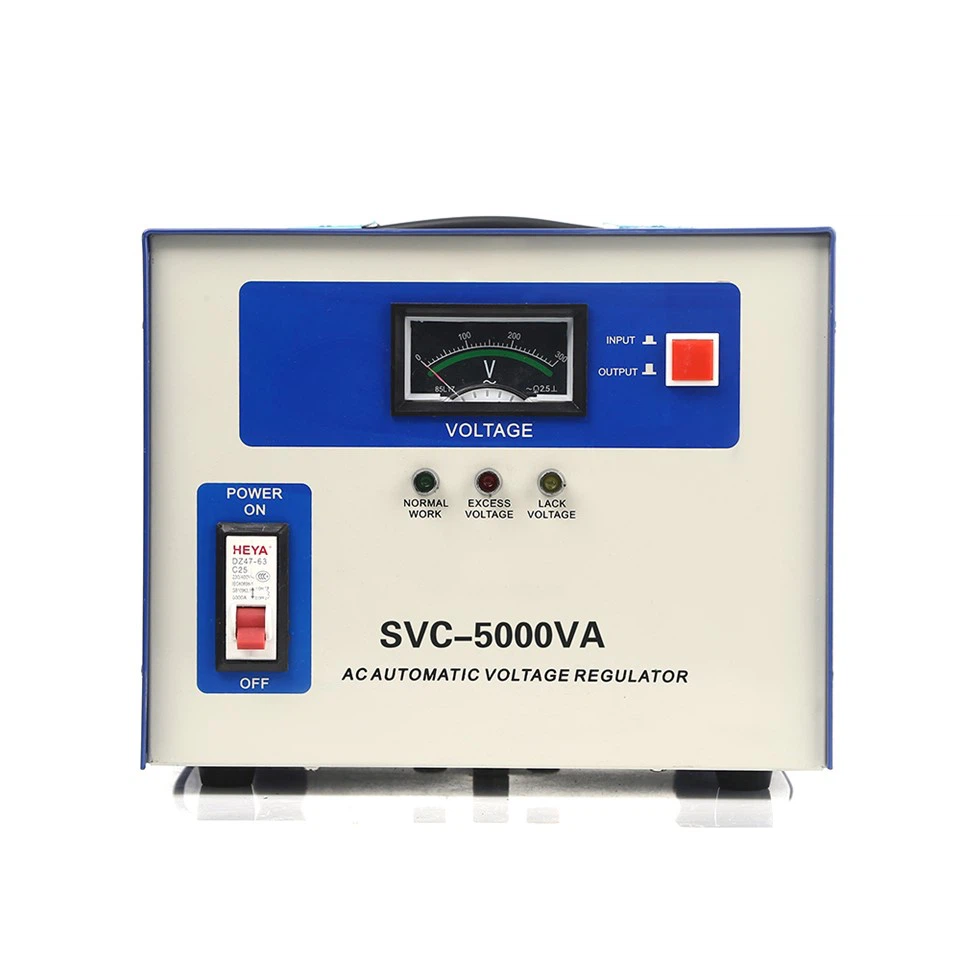
- Power Input and Output Measurement: Use a power analyzer to measure the input power and output power of the regulator. The efficiency can be calculated as the ratio of output power to input power (Efficiency = Output Power / Input Power). A high - efficiency regulator will waste less energy in the form of heat, which is not only cost - effective but also reduces the risk of overheating.
Electromagnetic Compatibility (EMC) Testing
Electromagnetic compatibility ensures that the regulator does not interfere with other electrical equipment and can operate properly in an electromagnetic environment.
- Radiated Emissions: Use an anechoic chamber and a spectrum analyzer to measure the radiated electromagnetic emissions from the regulator. The emissions should be within the limits specified by the relevant EMC standards. High radiated emissions can cause interference with other electronic devices, such as radios, televisions, and communication systems.
- Conducted Emissions: Measure the conducted electromagnetic emissions on the power supply lines using a line impedance stabilization network (LISN) and a spectrum analyzer. Similar to radiated emissions, the conducted emissions should also comply with the standards.
Compliance with Industry - Specific Standards
In addition to general electrical standards, some industries may have specific requirements for AC motor voltage regulators.
- Industrial Applications: In industrial settings, the regulator may need to withstand harsh environments, such as high temperatures, humidity, and vibration. Check if the regulator is designed to meet the requirements of industrial standards, such as IP (Ingress Protection) ratings for protection against dust and water.
- Automotive Applications: For automotive applications, the regulator should be able to operate within the voltage range of the vehicle's electrical system and be resistant to electrical noise and transients. It should also comply with automotive safety standards.
Documentation and Certification
A reliable AC motor voltage regulator should come with proper documentation and certification.
- User Manual: The user manual should provide detailed information on the installation, operation, maintenance, and safety precautions of the regulator. It should also include technical specifications and troubleshooting guides.
- Certification: Look for certifications from recognized testing laboratories, such as UL (Underwriters Laboratories) in the United States or TÜV in Europe. These certifications indicate that the regulator has been tested and meets the relevant standards.
Conclusion
Checking if an AC motor voltage regulator meets the relevant standards is a comprehensive process that involves visual inspection, electrical safety checks, performance testing, efficiency testing, EMC testing, and verification of compliance with industry - specific standards. As a supplier, we are committed to providing high - quality Ac Motor Voltage Regulator that meet all the necessary standards. Our Servo Motor Stabilizer and Motor Voltage Regulator products are rigorously tested to ensure their safety, performance, and reliability.
If you are in the market for a high - quality AC motor voltage regulator, we invite you to contact us for more information and to discuss your specific requirements. We look forward to the opportunity to serve you and provide you with the best solutions for your motor voltage regulation needs.
References
- National Electrical Manufacturers Association (NEMA) Standards
- International Electrotechnical Commission (IEC) Standards
- Underwriters Laboratories (UL) Standards
- TÜV Certification Guidelines