



Connecting multiple contact voltage regulators in parallel can be a valuable technique for various industrial and electrical applications. As a contact voltage regulator supplier, I've encountered numerous customers seeking guidance on this process. In this blog, I will share insights into how to connect multiple contact voltage regulators in parallel, along with the benefits, potential challenges, and best practices.
Why Connect Multiple Contact Voltage Regulators in Parallel?
The decision to connect multiple contact voltage regulators in parallel often stems from the need to handle higher loads or achieve greater flexibility in voltage regulation. Here are some key reasons why you might consider this approach:
- Increased Load Capacity: When a single voltage regulator cannot handle the total load, connecting multiple regulators in parallel can distribute the load evenly, effectively increasing the overall capacity.
- Redundancy and Reliability: Parallel connection provides redundancy. If one regulator fails, the others can continue to operate, minimizing downtime and ensuring a continuous power supply.
- Flexibility in Voltage Regulation: Different applications may require specific voltage outputs. By using multiple regulators in parallel, you can adjust the output voltage more precisely to meet the diverse needs of your equipment.
Understanding Contact Voltage Regulators
Before delving into the parallel connection process, it's essential to have a basic understanding of contact voltage regulators. These regulators are designed to maintain a stable output voltage by adjusting the input voltage through a contact mechanism. They are commonly used in a wide range of applications, including industrial machinery, laboratory equipment, and power distribution systems.
There are different types of contact voltage regulators available, such as the Single Phase Variac Voltage Regulator, Variac Variable Regulator, and Three Phase Variac Voltage Regulator. Each type has its own characteristics and is suitable for specific applications.
Steps to Connect Multiple Contact Voltage Regulators in Parallel
The following steps outline the process of connecting multiple contact voltage regulators in parallel:
1. Select Compatible Regulators
- Voltage Rating: Ensure that all regulators have the same voltage rating. Mismatched voltage ratings can lead to uneven load sharing and potential damage to the regulators.
- Current Rating: Consider the current rating of each regulator. The combined current rating of the parallel regulators should be sufficient to handle the total load.
- Output Characteristics: The regulators should have similar output characteristics, such as output impedance and regulation accuracy, to ensure proper load sharing.
2. Prepare the Regulators
- Inspection: Thoroughly inspect each regulator for any signs of damage or malfunction. Check the wiring, contacts, and control mechanisms to ensure they are in good condition.
- Calibration: Calibrate each regulator to ensure that they have the same output voltage under no-load conditions. This step is crucial for achieving even load sharing when the regulators are connected in parallel.
3. Connect the Regulators
- Input Connection: Connect the input terminals of all regulators to the same power source. Use appropriate wiring and connectors to ensure a secure and reliable connection.
- Output Connection: Connect the output terminals of all regulators together. It's important to use a common bus bar or a thick cable to minimize the impedance between the regulators and ensure equal voltage distribution.
- Control Connection: If the regulators have control inputs, connect them together to ensure that they operate synchronously. This may involve connecting the control signals, such as the setpoint and feedback signals, to a common control circuit.
4. Implement Load Sharing
- Current Sharing: To ensure that each regulator shares the load evenly, it's necessary to implement a current sharing mechanism. This can be achieved through the use of current transformers and a control circuit that adjusts the output of each regulator based on its load current.
- Monitoring: Install monitoring devices, such as ammeters and voltmeters, to monitor the output current and voltage of each regulator. This allows you to detect any abnormal conditions and make adjustments as needed.
Potential Challenges and Solutions
Connecting multiple contact voltage regulators in parallel can present some challenges. Here are some common issues and their solutions:
- Uneven Load Sharing: This can occur if the regulators have different output characteristics or if the load is not evenly distributed. To address this issue, ensure that the regulators are properly calibrated and use a current sharing mechanism.
- Circulating Currents: Circulating currents can flow between the regulators if there is a difference in their output voltages or if the wiring impedance is not balanced. To minimize circulating currents, use a common bus bar and ensure that the wiring is properly sized and installed.
- Overheating: If the regulators are not properly sized or if the load is too high, they may overheat. To prevent overheating, ensure that the regulators have sufficient current ratings and provide adequate ventilation.
Best Practices
To ensure a successful parallel connection of contact voltage regulators, here are some best practices to follow:
- Follow Manufacturer's Instructions: Always refer to the manufacturer's instructions and guidelines when connecting multiple regulators in parallel. This ensures that you are following the correct procedures and using the appropriate components.
- Perform Regular Maintenance: Regularly inspect and maintain the regulators to ensure their proper operation. This includes checking the wiring, contacts, and control mechanisms, as well as cleaning and lubricating the moving parts.
- Test the System: Before connecting the regulators to the actual load, perform a thorough test of the parallel connection system. This includes checking the voltage and current levels, as well as the load sharing performance.
Conclusion
Connecting multiple contact voltage regulators in parallel can be a complex but rewarding process. By following the steps outlined in this blog and implementing the best practices, you can achieve increased load capacity, redundancy, and flexibility in voltage regulation. As a contact voltage regulator supplier, I am committed to providing high-quality products and technical support to help you with your parallel connection needs.

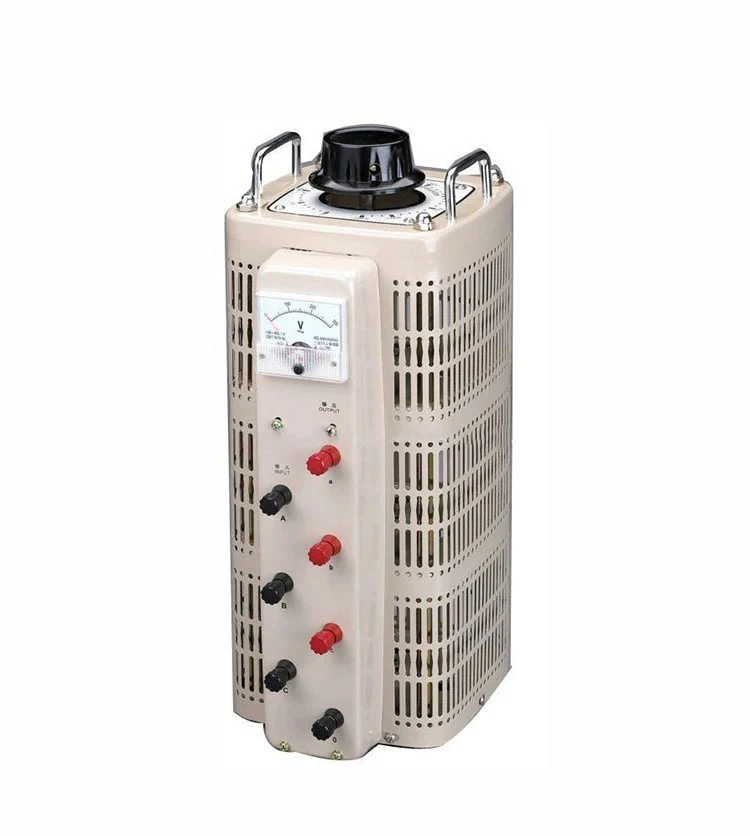
If you are interested in purchasing contact voltage regulators or have any questions about parallel connection, please feel free to contact us. Our team of experts will be happy to assist you in finding the right solution for your application.
References
- Electrical Engineering Handbook, Fourth Edition, Edited by Richard C. Dorf
- Power Electronics: Converters, Applications, and Design, Third Edition, By Ned Mohan, Tore M. Undeland, and William P. Robbins