


Ensuring the stability of a small voltage regulator is crucial for various applications, especially in industries where precision and reliability are paramount. As a supplier of Small Voltage Regulators, I understand the significance of delivering products that maintain a consistent output voltage under different operating conditions. In this blog, I will share some key strategies and considerations to ensure the stability of small voltage regulators.
Understanding the Basics of Small Voltage Regulators
Before delving into the methods of ensuring stability, it's essential to understand how small voltage regulators work. A small voltage regulator is a device that maintains a constant output voltage regardless of changes in the input voltage or load current. There are two main types of voltage regulators: linear regulators and switching regulators.
Linear regulators work by dissipating excess voltage as heat, which makes them simple and inexpensive but less efficient, especially when there is a large difference between the input and output voltages. On the other hand, switching regulators use a switching element to convert the input voltage to the desired output voltage, which results in higher efficiency but more complex circuitry.
Selecting the Right Components
The first step in ensuring the stability of a small voltage regulator is to select the right components. The quality and specifications of the components used in the regulator can significantly impact its performance and stability. Here are some key components to consider:
1. Voltage Reference
The voltage reference is a critical component in a voltage regulator as it provides a stable reference voltage against which the output voltage is compared. A high - quality voltage reference with low temperature coefficient and high long - term stability is essential for a stable output voltage.
2. Error Amplifier
The error amplifier compares the output voltage with the reference voltage and generates an error signal that is used to adjust the output voltage. A well - designed error amplifier with high gain, low offset voltage, and wide bandwidth can improve the regulator's stability and response time.
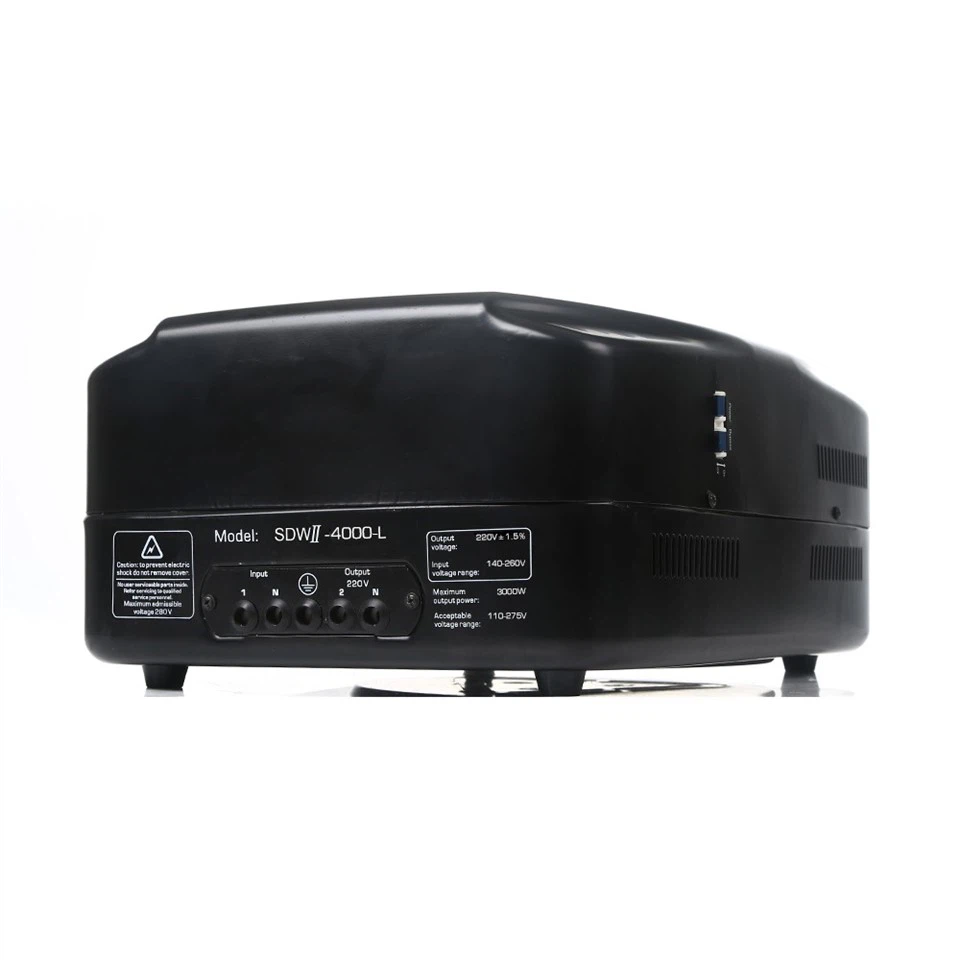

3. Power Transistor
In linear regulators, the power transistor is responsible for dissipating the excess voltage as heat. In switching regulators, it is used to switch the input voltage on and off. Selecting a power transistor with appropriate power rating, current handling capacity, and switching speed is crucial for the stability and efficiency of the regulator.
4. Capacitors and Inductors
Capacitors and inductors are used in the regulator's circuitry to filter out noise and ripple, and to store and release energy. Using high - quality capacitors with low equivalent series resistance (ESR) and inductors with low resistance can improve the regulator's stability and reduce output voltage ripple.
Circuit Design Considerations
In addition to selecting the right components, proper circuit design is also essential for ensuring the stability of a small voltage regulator. Here are some key design considerations:
1. Feedback Loop Design
The feedback loop is the heart of a voltage regulator as it continuously monitors and adjusts the output voltage. A well - designed feedback loop with appropriate gain and phase margin can prevent oscillations and ensure stable operation. It is important to carefully calculate the feedback resistors and compensate the loop to achieve the desired performance.
2. Layout Design
The layout of the printed circuit board (PCB) can also affect the stability of the voltage regulator. Proper grounding, decoupling, and signal routing are crucial to minimize noise and interference. Placing the components close to each other and using short traces can reduce parasitic capacitance and inductance, which can improve the regulator's stability.
3. Thermal Management
As mentioned earlier, linear regulators dissipate excess voltage as heat, which can cause the temperature of the regulator to rise. High temperatures can affect the performance and stability of the regulator, as well as reduce the lifespan of the components. Therefore, proper thermal management is essential. This can include using heat sinks, fans, or other cooling methods to keep the temperature of the regulator within the acceptable range.
Testing and Calibration
Once the small voltage regulator is designed and assembled, it is important to test and calibrate it to ensure its stability. Here are some key testing and calibration steps:
1. Initial Testing
Before calibration, perform initial testing to check the basic functionality of the regulator. This includes measuring the input and output voltages, load current, and output voltage ripple. Make sure that the regulator is operating within the specified parameters.
2. Calibration
Calibration involves adjusting the regulator's output voltage to the desired value. This can be done by adjusting the feedback resistors or using a trimmer potentiometer. Use a high - precision voltmeter to measure the output voltage and make small adjustments until the desired voltage is achieved.
3. Long - Term Stability Testing
To ensure the long - term stability of the regulator, perform long - term stability testing. This involves monitoring the output voltage over an extended period of time, typically several hours or days. Record the output voltage at regular intervals and check for any significant changes or drift.
Application - Specific Considerations
The stability requirements of a small voltage regulator can vary depending on the application. Here are some application - specific considerations:
1. Battery - Powered Devices
In battery - powered devices, the input voltage can vary significantly as the battery discharges. A small voltage regulator used in a battery - powered device should be able to maintain a stable output voltage over a wide range of input voltages. Additionally, low power consumption is also important to extend the battery life.
2. Precision Measurement Equipment
Precision measurement equipment requires a highly stable voltage source to ensure accurate measurements. A small voltage regulator used in precision measurement equipment should have low output voltage ripple, low temperature coefficient, and high long - term stability.
3. Motor Control Applications
In motor control applications, such as those using Ac Motor Voltage Regulator or Servo Motor Stabilizer, the voltage regulator needs to be able to handle high - current loads and provide a stable voltage to ensure smooth motor operation.
Conclusion
Ensuring the stability of a small voltage regulator is a complex process that involves selecting the right components, proper circuit design, testing, and calibration, as well as considering the specific requirements of the application. As a supplier of Small Voltage Regulator, we are committed to providing high - quality products that meet the strictest stability requirements. If you are in need of a small voltage regulator for your application, please feel free to contact us for more information and to discuss your specific needs. We look forward to working with you to provide the best voltage regulation solutions.
References
- Razavi, B. (2001). Design of Analog CMOS Integrated Circuits. McGraw - Hill.
- Horowitz, P., & Hill, W. (1989). The Art of Electronics. Cambridge University Press.
- National Semiconductor Corporation. (2002). Linear Regulators Data Book.