



Power factor correction (PFC) is a crucial aspect of electrical systems, especially when it comes to motor voltage regulators. As a leading supplier of motor voltage regulators, we understand the significance of optimizing power factor for improved efficiency, reduced energy costs, and enhanced equipment performance. In this blog post, we will explore various strategies and techniques to improve the power factor correction of a motor voltage regulator.
Understanding Power Factor
Before delving into the methods of power factor correction, it is essential to understand what power factor is and why it matters. Power factor is the ratio of real power (measured in watts) to apparent power (measured in volt-amperes). It represents the efficiency with which electrical power is converted into useful work. A power factor of 1 indicates that all the electrical power is being used effectively, while a power factor less than 1 means that some of the power is being wasted.
In a motor voltage regulator, a low power factor can lead to several issues, including increased energy consumption, higher electricity bills, and reduced equipment lifespan. Therefore, improving the power factor is not only beneficial for the environment but also for the bottom line of businesses.

Factors Affecting Power Factor in Motor Voltage Regulators
Several factors can contribute to a low power factor in motor voltage regulators. Some of the common factors include:
- Inductive Loads: Motors are inductive loads, which means they draw reactive power in addition to real power. Reactive power does not perform any useful work but causes additional current to flow in the electrical system, resulting in a lower power factor.
- Harmonics: Non-linear loads, such as variable frequency drives and electronic ballasts, can introduce harmonics into the electrical system. Harmonics can distort the voltage and current waveforms, leading to a lower power factor.
- Underloading or Overloading: Operating a motor at a load that is significantly different from its rated capacity can also affect the power factor. Underloading a motor can result in a low power factor, while overloading can cause excessive current draw and overheating.
Strategies for Improving Power Factor Correction
Now that we understand the factors affecting power factor in motor voltage regulators, let's explore some strategies for improving power factor correction.
1. Install Power Factor Correction Capacitors
One of the most common and effective methods of improving power factor is by installing power factor correction capacitors. Capacitors are used to offset the reactive power drawn by inductive loads, such as motors. By adding capacitors to the electrical system, the reactive power can be reduced, resulting in an improved power factor.
Power factor correction capacitors can be installed at the motor terminals or at the main electrical panel. When selecting capacitors, it is important to consider the motor's rated power, voltage, and power factor. It is also recommended to consult with a qualified electrical engineer to ensure proper sizing and installation.
2. Use Variable Frequency Drives (VFDs)
Variable frequency drives (VFDs) are electronic devices that control the speed and torque of an electric motor by varying the frequency and voltage of the power supplied to the motor. VFDs can improve the power factor of a motor by reducing the reactive power drawn by the motor at part-load conditions.
In addition to improving power factor, VFDs also offer several other benefits, such as energy savings, improved motor control, and reduced mechanical stress on the motor. However, it is important to note that VFDs can introduce harmonics into the electrical system, which may require additional filtering to maintain a high power factor.
3. Optimize Motor Sizing and Operation
Proper motor sizing and operation are essential for maintaining a high power factor. When selecting a motor, it is important to choose a motor that is appropriately sized for the load. An oversized motor can result in a low power factor, while an undersized motor can lead to overheating and premature failure.
In addition to proper sizing, it is also important to operate the motor at its rated load as much as possible. Avoid operating the motor at part-load conditions for extended periods of time, as this can result in a lower power factor. If possible, consider using multiple smaller motors instead of a single large motor to better match the load requirements.
4. Implement Harmonic Filtering
As mentioned earlier, harmonics can distort the voltage and current waveforms, leading to a lower power factor. To mitigate the effects of harmonics, it is recommended to implement harmonic filtering in the electrical system.
Harmonic filters are devices that are designed to remove or reduce the harmonics from the electrical system. There are several types of harmonic filters available, including passive filters, active filters, and hybrid filters. The type of filter to be used depends on the specific requirements of the electrical system and the level of harmonics present.
5. Monitor and Maintain the Power Factor
Regular monitoring and maintenance of the power factor are essential for ensuring optimal performance of the motor voltage regulator. By monitoring the power factor, any issues or abnormalities can be detected early on, allowing for timely corrective action to be taken.
There are several ways to monitor the power factor, including using power quality analyzers, smart meters, and energy management systems. These devices can provide real-time information about the power factor, as well as other electrical parameters, such as voltage, current, and energy consumption.
In addition to monitoring, it is also important to perform regular maintenance on the motor voltage regulator and other electrical equipment. This includes cleaning, lubricating, and inspecting the equipment for any signs of wear or damage. By keeping the equipment in good condition, the power factor can be maintained at a high level.
Our Motor Voltage Regulators and Power Factor Correction
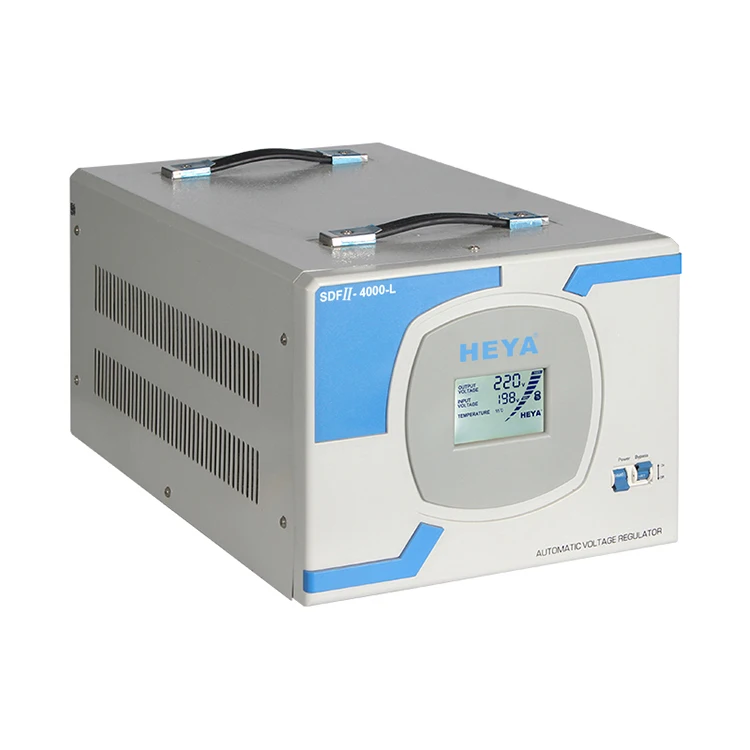
As a leading supplier of motor voltage regulators, we offer a wide range of products that are designed to improve power factor correction and enhance the efficiency of electrical systems. Our product portfolio includes Vertical Type Voltage Stabilizer, Digital Display Servo Voltage Regulator, and Servo Motor Type AVR.

Our motor voltage regulators are equipped with advanced power factor correction technology, which helps to reduce reactive power and improve the power factor of the electrical system. In addition, our products are designed to be energy-efficient, reliable, and easy to install and maintain.
Conclusion
Improving the power factor correction of a motor voltage regulator is essential for optimizing the efficiency of electrical systems, reducing energy costs, and enhancing equipment performance. By implementing the strategies and techniques discussed in this blog post, you can effectively improve the power factor of your motor voltage regulator and achieve significant savings in energy consumption and costs.
If you are interested in learning more about our motor voltage regulators and how they can help you improve power factor correction, please feel free to contact us. Our team of experts will be happy to assist you in selecting the right product for your specific requirements and provide you with professional advice and support.
References
- "Power Factor Correction: Principles and Applications" by Paul N. Enjeti and Fred C. Lee
- "Electric Motors and Drives: Fundamentals, Types, and Applications" by Austin Hughes and Bill Drury
- "Electrical Power Systems Quality" by Roger C. Dugan, Mark F. McGranaghan, and Surya Santoso