



Hey there! As a supplier of Industrial Voltage Regulators, I've had my fair share of experiences with the installation process. I know it can seem a bit daunting at first, but don't worry, I'm here to break it down for you step by step.
Pre - installation Checks
Before you even start thinking about hooking up your Industrial Voltage Regulator, there are a few things you need to do. First off, make sure you've got the right regulator for your needs. Check the specifications of your electrical system, like the input and output voltage requirements, the power capacity, and the frequency. If you pick the wrong regulator, it won't work properly and could even damage your equipment.
Next, inspect the regulator for any visible damage. Look for cracks in the casing, loose wires, or any signs of corrosion. If you find anything wrong, don't try to install it. Instead, contact us right away, and we'll sort it out for you.
You also need to find a suitable location for the regulator. It should be in a well - ventilated area to prevent overheating. Avoid places that are too dusty, wet, or exposed to extreme temperatures. And make sure there's enough space around it for easy access and maintenance.
Tools and Materials
To install the Industrial Voltage Regulator, you'll need a few tools. A pair of wire cutters and strippers is a must. You'll also need a screwdriver, preferably a set with different sizes in case you encounter various screw types. A voltage tester is essential to check the electrical connections and make sure everything is safe.
As for materials, you'll need appropriate electrical wires. The size of the wires depends on the current capacity of the regulator. Make sure to use high - quality wires to ensure a stable electrical connection. And don't forget about cable ties to keep the wires organized.
Installation Steps
Step 1: Power Off
This is a no - brainer but extremely important. Turn off the power supply to the electrical system where you'll be installing the regulator. This will prevent any electrical shocks or short - circuits during the installation process. You can use a circuit breaker or a disconnect switch to cut off the power.
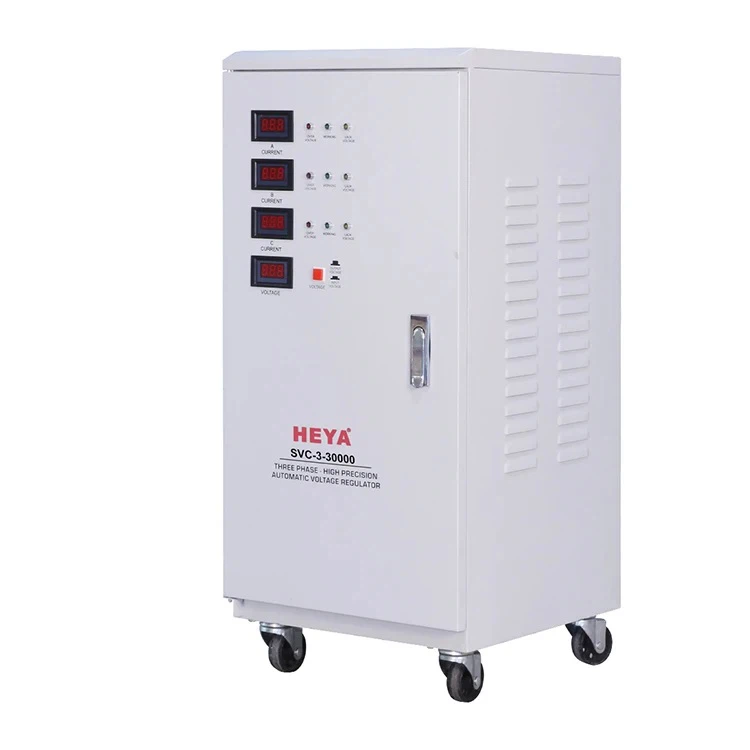
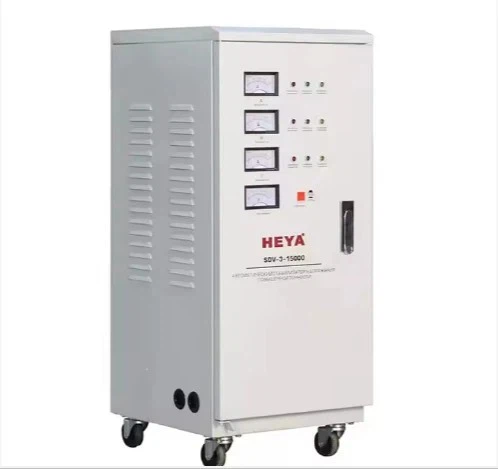
Step 2: Mount the Regulator
Find a sturdy surface to mount the regulator. It could be a wall or a rack. Use the mounting holes on the regulator and the appropriate screws to secure it in place. Make sure it's level and firmly attached so that it doesn't vibrate or move during operation.
Step 3: Connect the Input Wires
Identify the input terminals on the regulator. Usually, there will be markings indicating the phase, neutral, and ground connections. Use your wire cutters and strippers to prepare the input wires. Strip about half an inch of insulation from the ends of the wires. Connect the phase wires to the corresponding phase input terminals, the neutral wire to the neutral input terminal, and the ground wire to the ground terminal. Tighten the terminal screws firmly to ensure a good electrical connection.
Step 4: Connect the Output Wires
Similar to the input wires, find the output terminals on the regulator. These are the wires that will carry the regulated voltage to your equipment. Connect the output wires in the same way as the input wires, making sure to match the phase, neutral, and ground connections correctly.
Step 5: Check the Connections
Once all the wires are connected, double - check everything. Make sure there are no loose connections, and the wires are not touching each other in a way that could cause a short - circuit. Use your voltage tester to check for any voltage on the wires before turning the power back on.
Step 6: Power On
After you've confirmed that all the connections are correct and safe, it's time to turn the power back on. Slowly restore the power supply and monitor the regulator for any signs of abnormal operation, such as strange noises, smoking, or flickering lights. If everything seems okay, use your voltage tester to check the output voltage of the regulator. It should be within the specified range.
Post - installation Considerations
Once the regulator is up and running, there are a few things you need to keep in mind. Regularly inspect the regulator for any signs of wear and tear. Check the connections to make sure they're still tight. If you notice any issues, like a drop in voltage or an increase in temperature, contact us immediately.
You might also want to consider installing a Electric Power Stabilizer to further enhance the stability of your electrical system. And if you're in the medical field, a Medical Ac Stabilizer can provide the precise and reliable power needed for sensitive medical equipment.
Why Choose Our Industrial Voltage Regulators
Our Industrial Voltage Regulators are top - notch. We use high - quality components to ensure long - term reliability and performance. They're designed to handle a wide range of electrical loads and are suitable for various industrial applications. Plus, we offer excellent customer support. If you have any questions during the installation or operation of the regulator, our team of experts is just a call away.
If you're in the market for an Industrial Voltage Regulator, don't hesitate to get in touch with us. We can help you choose the right product for your needs and guide you through the installation process. Whether you're a small business or a large industrial facility, we've got the solution for you. Contact us today to start the procurement process and take the first step towards a more stable electrical system.
References
- Electrical Installation Handbook by Schneider Electric
- Industrial Electrical Systems: Design, Installation, and Maintenance by McGraw - Hill Education