



When it comes to marine applications, the selection of a servo motor stabilizer is a critical decision that can significantly impact the performance, reliability, and safety of various systems on board. As a reputable servo motor stabilizer supplier, I understand the complexities involved in this process and am here to guide you through the key considerations to ensure you make the right choice.
Understanding the Marine Environment
The marine environment presents unique challenges that must be taken into account when selecting a servo motor stabilizer. Saltwater corrosion, high humidity, extreme temperatures, and mechanical vibrations are just some of the factors that can affect the performance and lifespan of electrical equipment. Therefore, the stabilizer you choose must be designed to withstand these harsh conditions and provide reliable operation over an extended period.
Power Requirements
One of the first steps in selecting a servo motor stabilizer for a marine application is to determine the power requirements of the system. This includes the voltage, current, and power rating of the servo motor, as well as any other electrical loads that will be connected to the stabilizer. It is important to choose a stabilizer that can handle the maximum power demand of the system without overloading or causing voltage fluctuations.
Voltage Regulation
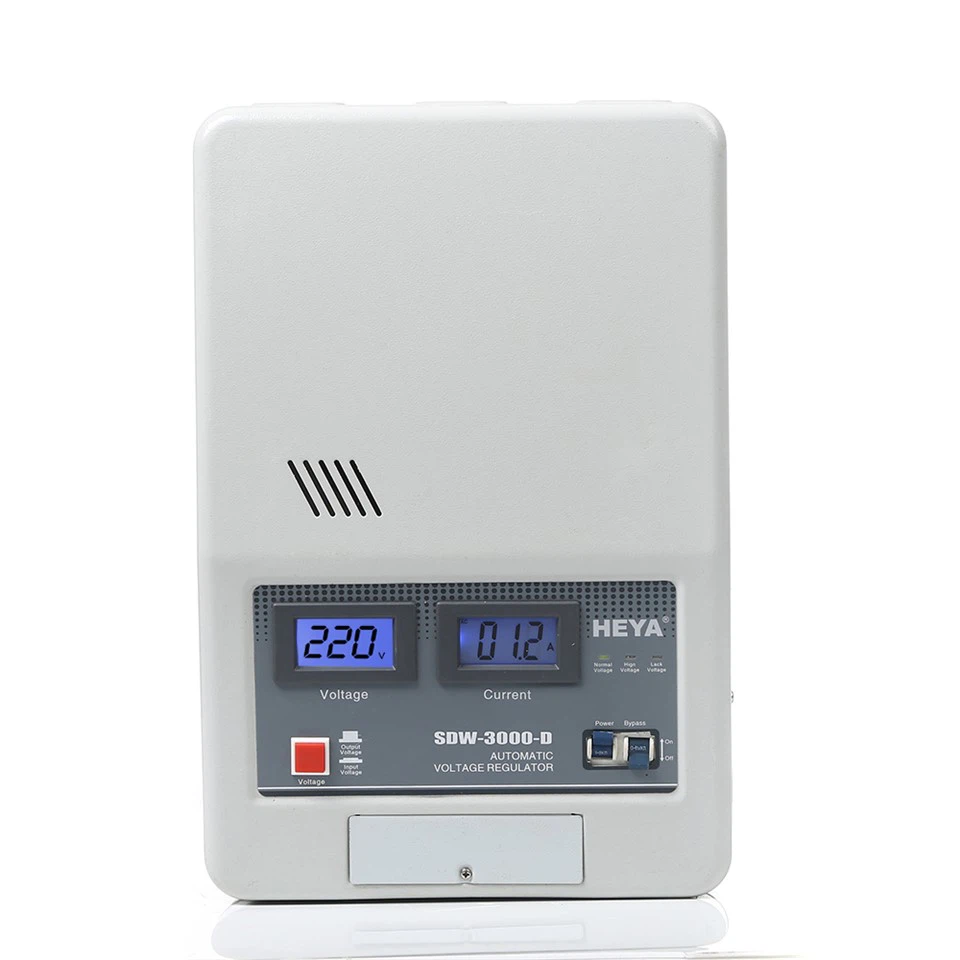
Voltage regulation is a crucial factor in ensuring the proper operation of servo motors in marine applications. Fluctuations in voltage can cause the motor to run inefficiently, overheat, or even fail. A high-quality servo motor stabilizer should be able to maintain a stable output voltage within a narrow tolerance range, typically ±1% to ±3%. This helps to protect the motor from damage and ensures consistent performance.
Frequency Compatibility
In addition to voltage regulation, the servo motor stabilizer must also be compatible with the frequency of the electrical supply on board the vessel. Most marine electrical systems operate at either 50 Hz or 60 Hz, depending on the region and the type of vessel. It is important to choose a stabilizer that can handle the specific frequency of your system to avoid any compatibility issues.
Protection Features
To ensure the safety and reliability of the servo motor and the entire electrical system, the stabilizer should be equipped with a range of protection features. These may include overvoltage protection, undervoltage protection, short-circuit protection, and overcurrent protection. These features help to prevent damage to the motor and other electrical components in the event of a power surge or other electrical fault.
Size and Installation
The size and installation requirements of the servo motor stabilizer are also important considerations, especially in marine applications where space is often limited. The stabilizer should be compact and lightweight, yet still capable of providing the necessary power and performance. It should also be easy to install and maintain, with clear instructions and minimal wiring requirements.
Efficiency
Efficiency is another important factor to consider when selecting a servo motor stabilizer. A high-efficiency stabilizer can help to reduce energy consumption and lower operating costs over the long term. Look for a stabilizer that has a high efficiency rating, typically above 90%, to ensure optimal performance and energy savings.
Certifications and Standards
When choosing a servo motor stabilizer for a marine application, it is important to ensure that it meets all relevant certifications and standards. This includes international standards such as IEC, UL, and CE, as well as any specific requirements set by the marine industry or regulatory authorities. Compliance with these standards ensures the quality, safety, and reliability of the stabilizer.

Cost
Finally, cost is always a consideration when making any purchasing decision. While it is important to choose a high-quality servo motor stabilizer that meets your specific requirements, it is also important to consider the cost-effectiveness of the product. Compare the features, performance, and price of different stabilizers to find the best value for your money.
Our Products
As a leading servo motor stabilizer supplier, we offer a wide range of products that are specifically designed for marine applications. Our Servo Motor Voltage Regulator provides precise voltage regulation and protection for servo motors, ensuring reliable operation in harsh marine environments. Our Servo Motor Type AVR is a high-performance automatic voltage regulator that offers fast response times and excellent stability. And our TND Single Phase Voltage Regulator is a compact and efficient solution for single-phase electrical systems.
Contact Us
If you are in the market for a servo motor stabilizer for your marine application, we would be happy to assist you. Our team of experts can help you determine the best product for your specific needs and provide you with detailed information and technical support. Contact us today to discuss your requirements and get a quote. We look forward to working with you to ensure the success of your marine project.
References
- Marine Electrical Systems Handbook, Second Edition, by John A. Cathey
- Electrical Installation in Ships, by International Electrotechnical Commission (IEC)
- UL 1449 Standard for Surge Protective Devices, by Underwriters Laboratories