



Hey there! As a supplier of small voltage regulators, I often get asked about how to select the appropriate dropout voltage for these little power - managing gems. So, let's dive right in and break it all down.
First off, what exactly is dropout voltage? In simple terms, it's the minimum input - to - output voltage difference required for a linear voltage regulator to maintain a stable output voltage. For small linear voltage regulators, this is a crucial factor because they're often used in applications where power efficiency and space are at a premium.
Let's start with the application requirements. Different applications have different power needs. For example, in portable electronic devices like smartphones or wearables, battery life is a major concern. In these cases, you'd want a small linear voltage regulator with a low dropout voltage. Why? Well, a lower dropout voltage means that the regulator can operate with a smaller difference between the input and output voltages. This translates to less power being wasted as heat, which is a huge plus for battery - powered devices. It helps to extend the battery life and also keeps the device cooler, which is always a good thing for component longevity.
On the other hand, if you're working on a more stationary application like a small home automation device or a desktop peripheral, battery life might not be as critical. Here, you might be able to tolerate a slightly higher dropout voltage. You could choose a regulator that's more cost - effective or has other features that are more important for the specific function of the device, such as better transient response or higher output current capacity.

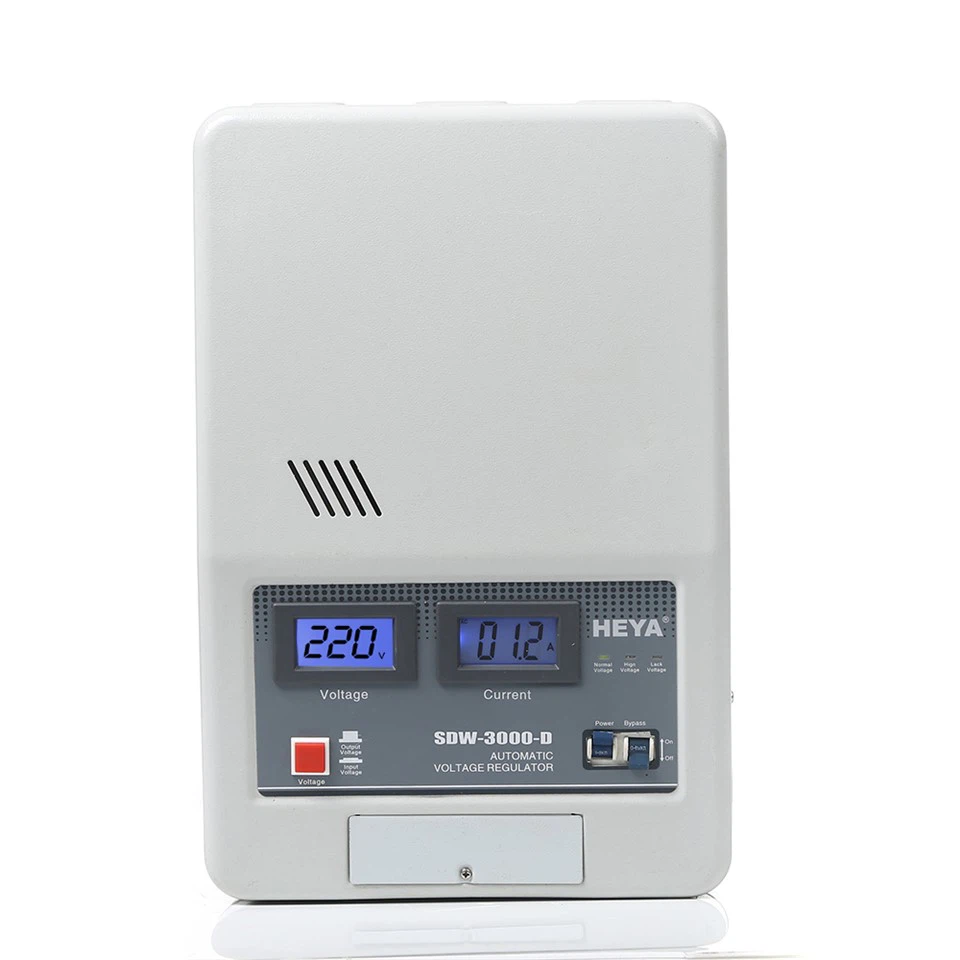
Now, let's talk about the input voltage range. The input voltage to your small linear voltage regulator can vary depending on the power source. If you're using a battery, the voltage will decrease as the battery discharges. You need to make sure that your regulator can maintain a stable output voltage even when the input voltage drops to its lowest level. For instance, if your battery starts at 3.7V and discharges down to 3.0V, and you need a regulated output of 2.5V, you'll need a regulator with a dropout voltage of less than 0.5V (3.0V - 2.5V) to ensure proper operation throughout the battery's discharge cycle.
Another factor to consider is the output current requirements. The dropout voltage of a regulator can change depending on the amount of current it's supplying. In general, as the output current increases, the dropout voltage also tends to increase. So, if your application requires a high output current, you'll need to choose a regulator that can handle that current while still maintaining an acceptable dropout voltage. For example, if you have a small sensor that needs a regulated 3.3V supply and it draws up to 100mA of current, you need to pick a regulator that can provide that current with a low enough dropout voltage so that it doesn't cause the output voltage to drop below the required level.
Thermal management is also closely related to dropout voltage. A regulator with a high dropout voltage will dissipate more power as heat. This can be a problem, especially in small, enclosed spaces where heat dissipation is difficult. You might need to add a heatsink or choose a regulator with a lower dropout voltage to keep the temperature under control. Overheating can not only reduce the efficiency of the regulator but also shorten its lifespan.
When it comes to choosing the right small linear voltage regulator for your application, there are a lot of options out there. You can find various models with different dropout voltages, output current ratings, and other features. Some regulators are designed specifically for low - dropout applications, while others are more general - purpose. You can check out some of the different types of voltage regulators on our website. For example, if you're interested in more specialized regulators, you can take a look at Svc Automatic Voltage Regulator, Servo Motor Voltage Regulator, and Servo Type Voltage Regulator. These links will give you more information about the specific features and applications of these regulators.
It's also a good idea to do some testing. You can build a prototype of your circuit and test different regulators with different dropout voltages. This will allow you to see how they perform in real - world conditions and make an informed decision. You can measure the output voltage stability, power consumption, and temperature of the regulator under different load conditions.
In summary, selecting the appropriate dropout voltage for a small linear voltage regulator depends on several factors. You need to consider the application requirements, input voltage range, output current, and thermal management. By taking all these factors into account, you can choose a regulator that will provide a stable and efficient power supply for your device.
If you're in the market for small voltage regulators and need some help with the selection process, or if you have any questions about dropout voltage or other aspects of voltage regulation, don't hesitate to reach out. We're here to assist you in finding the perfect regulator for your needs. Whether you're a hobbyist working on a small project or a professional designing a large - scale product, we can offer the expertise and high - quality products you're looking for. Let's start a conversation about your requirements and see how we can help you get the best performance from your voltage regulators.
References:
- "The Art of Electronics" by Paul Horowitz and Winfield Hill
- Manufacturer datasheets for small linear voltage regulators