


Hey there! As a supplier of single-phase AC regulators, I've dealt with all sorts of issues related to these nifty devices. In this blog, I'll share some tips on how to troubleshoot a single-phase AC regulator. Whether you're a DIY enthusiast or a professional electrician, these steps can help you get to the root of the problem and fix it.
Understanding the Basics
First things first, let's quickly go over what a single-phase AC regulator does. It's a device that controls the voltage of a single-phase AC power supply. This is super important because stable voltage is crucial for the proper functioning of electrical equipment. If the voltage is too high or too low, it can damage your appliances or cause them to malfunction.
Initial Checks
When you notice an issue with your single-phase AC regulator, the first thing you should do is some basic checks. Start by looking at the power source. Make sure the main power switch is turned on and that there's no tripped circuit breaker or blown fuse. Sometimes, the problem could be as simple as a loose connection. Check all the wires and terminals to ensure they're securely attached.
Visual Inspection
Take a good look at the regulator itself. Look for any signs of physical damage, like cracks, burns, or loose parts. If you see any, it's likely that the regulator has been damaged and may need to be replaced. Also, check for any signs of overheating, such as a burning smell or discolored components. Overheating can be caused by a variety of factors, including overloading or a faulty internal component.
Testing the Input and Output Voltage
You'll need a multimeter to test the input and output voltage of the regulator. First, measure the input voltage at the regulator's input terminals. This should match the voltage of your power supply. If the input voltage is incorrect, there could be an issue with the power source or the wiring leading to the regulator.
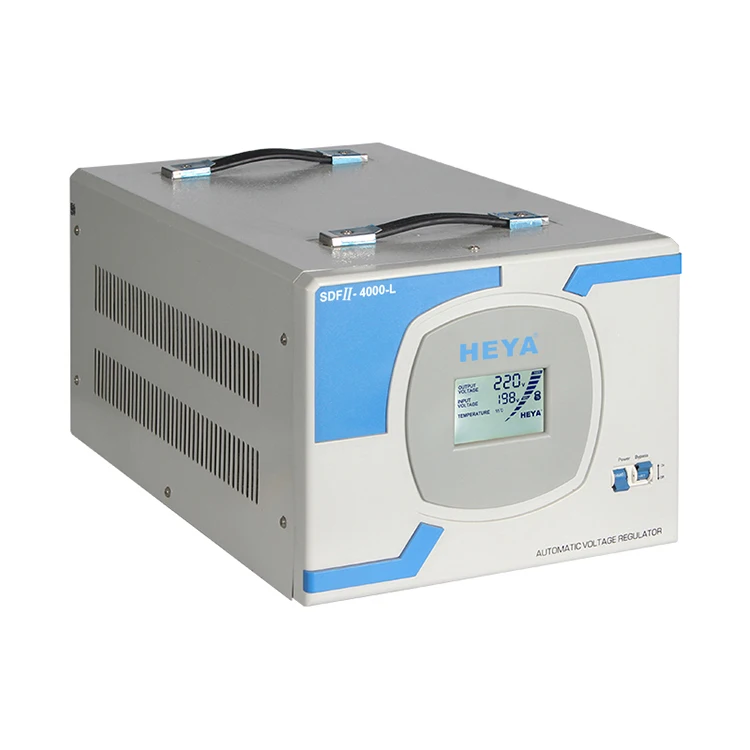

Next, measure the output voltage at the regulator's output terminals. The output voltage should be within the specified range for your equipment. If the output voltage is too high or too low, it could indicate a problem with the regulator's internal circuitry.
Checking the Control Circuit
The control circuit of the single-phase AC regulator is responsible for adjusting the output voltage. If the output voltage is unstable or incorrect, there could be an issue with the control circuit. Check the control board for any loose connections, damaged components, or signs of corrosion. You may also need to test the control circuit using a logic probe or an oscilloscope to ensure it's functioning properly.
Inspecting the Transformer
The transformer is another critical component of the single-phase AC regulator. It steps up or steps down the voltage as needed. If the transformer is faulty, it can cause issues with the output voltage. Check the transformer for any signs of physical damage, such as a burnt smell or a bulge. You can also test the transformer's primary and secondary windings using a multimeter to ensure they have the correct resistance.
Looking at the Sensing Circuit
The sensing circuit monitors the output voltage and sends a signal to the control circuit to make adjustments. If the sensing circuit is not working correctly, the regulator may not be able to maintain a stable output voltage. Check the sensing circuit for any loose connections, damaged components, or incorrect settings.
Considering the Load
The load connected to the single-phase AC regulator can also affect its performance. If the load is too heavy, it can cause the regulator to overheat and malfunction. Make sure the load is within the regulator's rated capacity. If you're using multiple appliances or equipment, consider distributing the load evenly across multiple regulators or using a higher-capacity regulator.
Specific Types of Single-Phase AC Regulators
There are different types of single-phase AC regulators, such as the Svc Automatic Voltage Regulator, Servo Motor Type AVR, and Servo Motor Stabilizer. Each type has its own unique features and troubleshooting methods.
For example, in a servo motor type regulator, the servo motor is responsible for adjusting the voltage. If the servo motor is not working properly, it can cause issues with the output voltage. Check the servo motor for any signs of mechanical damage, such as a stuck shaft or a worn-out gear. You may also need to test the servo motor's electrical connections and control signals.
When to Seek Professional Help
If you've gone through all these troubleshooting steps and still can't find the problem, it may be time to seek professional help. A qualified electrician or technician has the tools and expertise to diagnose and fix complex issues with single-phase AC regulators. They can also ensure that the regulator is installed and configured correctly to prevent future problems.
Conclusion
Troubleshooting a single-phase AC regulator can seem daunting, but by following these steps, you can often identify and fix the problem on your own. Remember to always prioritize safety when working with electrical equipment. If you're unsure about any step, don't hesitate to consult a professional.
If you're in the market for a new single-phase AC regulator or need further assistance with your existing one, feel free to reach out. We're here to help you find the right solution for your needs. Whether you need a Svc Automatic Voltage Regulator, Servo Motor Type AVR, or Servo Motor Stabilizer, we've got you covered. Let's start a conversation about your requirements and find the best fit for your application.
References
- Electrical Engineering Handbook, Third Edition
- Single-Phase AC Power Systems: Analysis and Design