


Hey there! As a supplier of Industrial Voltage Regulator, I've seen my fair share of issues with these crucial pieces of equipment. Industrial voltage regulators play a super important role in keeping the electrical systems in factories, plants, and other industrial settings running smoothly. But sometimes, they can act up. So, in this blog, I'm gonna share some tips on how to troubleshoot an industrial voltage regulator.
1. Check the Power Supply
The first thing you gotta do when your industrial voltage regulator is acting up is to check the power supply. A lot of the time, the problem isn't with the regulator itself but with the power coming into it.
- Inspect the Input Voltage: Use a voltmeter to measure the voltage at the input of the regulator. Make sure it's within the specified range for the regulator. If the input voltage is too high or too low, it can cause the regulator to malfunction. For example, if the regulator is designed for an input voltage of 400V ± 10%, and you measure 450V, that's definitely a problem.
- Look for Loose Connections: Check all the wiring connections at the input and output of the regulator. Loose connections can lead to voltage drops, arcing, and other issues. Make sure all the terminals are tightened properly. Sometimes, vibration or thermal expansion can cause connections to come loose over time.
2. Examine the Regulator's Display and Indicators
Most industrial voltage regulators come with a display and some indicators that can give you a lot of information about its status.
- Read the Display: If the regulator has a digital display, check what it's showing. It might indicate an error code or give you information about the output voltage, input voltage, or other parameters. Look up the error code in the regulator's manual to find out what it means. For example, an error code might indicate an over - temperature condition or a fault in the internal circuitry.
- Check the Indicators: Some regulators have LED indicators that show the status of different functions. For instance, there might be an indicator for normal operation, over - voltage, or under - voltage. If an indicator is lit up, it can give you a clue about what's going wrong.
3. Test the Output Voltage
The whole point of a voltage regulator is to provide a stable output voltage. So, it's crucial to test the output voltage to see if it's within the acceptable range.
- Use a Voltmeter: Measure the output voltage at the regulator's output terminals. Compare the measured value with the setpoint or the specified output voltage. If the output voltage is significantly different from the setpoint, there's a problem. For example, if the setpoint is 230V and you measure 210V, the regulator isn't doing its job properly.
- Check for Voltage Fluctuations: Observe the output voltage over a period of time. If it's fluctuating wildly, it could be a sign of a problem with the regulator's control circuit or a load issue. Sometimes, a large, variable load can cause the output voltage to fluctuate.
4. Inspect the Cooling System
Industrial voltage regulators generate heat during operation, and they usually have a cooling system to keep them at a safe temperature.
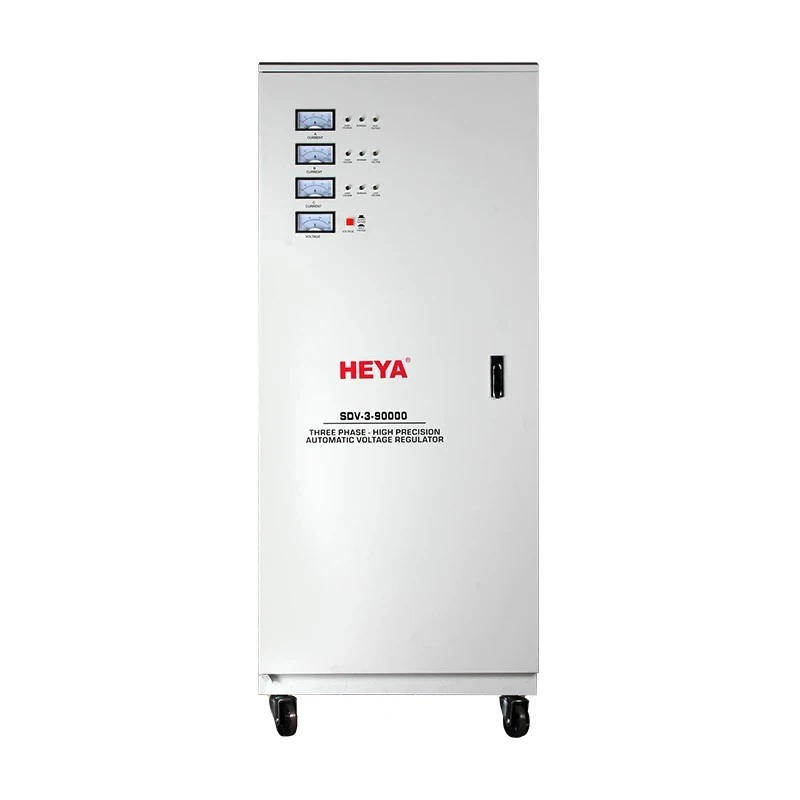
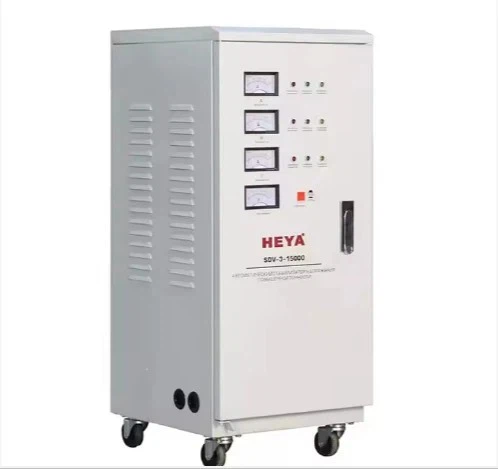
- Check the Fans: If the regulator has fans for cooling, make sure they're working properly. Listen for any unusual noises coming from the fans, which could indicate a mechanical problem. Also, check if the fans are spinning freely. Sometimes, dust or debris can get stuck in the fan blades and prevent them from rotating.
- Look for Blocked Vents: Check the vents on the regulator for any blockages. Blocked vents can prevent proper airflow, leading to over - heating. Make sure there's nothing covering the vents, and clean them if necessary.
5. Check the Load
The load connected to the voltage regulator can also cause problems.
- Inspect the Load Equipment: Check if the load equipment is working properly. A faulty load can draw an abnormal amount of current, which can affect the regulator's performance. For example, a short - circuit in a piece of equipment connected to the regulator can cause a sudden increase in current and trip the regulator's protection devices.
- Evaluate the Load Capacity: Make sure the load connected to the regulator is within its rated capacity. If the load is too large, the regulator might not be able to provide a stable output voltage. Check the regulator's specifications to see what the maximum load capacity is.
6. Check the Internal Components
If you've gone through all the above steps and still can't find the problem, it might be time to look inside the regulator. But be careful! This should only be done by a qualified technician.
- Inspect the Circuit Boards: Look for any signs of damage on the circuit boards, such as burnt components, cracked traces, or corroded connections. Sometimes, a component can fail due to over - voltage, over - current, or simply old age.
- Test the Components: Use appropriate test equipment to test the individual components on the circuit boards. For example, you can use a multimeter to test resistors, capacitors, and diodes. Replace any faulty components as needed.
7. Consider Environmental Factors
The environment in which the voltage regulator is installed can also have an impact on its performance.
- Temperature and Humidity: High temperatures and humidity can cause problems for the regulator. Make sure the installation area has proper ventilation and is within the recommended temperature and humidity range for the regulator. If the area is too hot, consider installing additional cooling equipment.
- Dust and Pollution: Dust and other pollutants can accumulate inside the regulator and cause problems. Regularly clean the regulator and its surroundings to prevent dust buildup.
8. Consult the Manufacturer
If you've exhausted all your troubleshooting options and still can't fix the problem, it's a good idea to consult the manufacturer.
- Contact Technical Support: Reach out to the manufacturer's technical support team. They can provide you with more in - depth troubleshooting advice based on the specific model of the regulator. They might also be able to offer remote diagnostic services or send a technician to your site.
- Refer to the Manual: The regulator's manual is a valuable resource. It contains detailed information about the regulator's operation, troubleshooting procedures, and maintenance requirements. Make sure you've read the manual thoroughly and followed all the recommended steps.
In conclusion, troubleshooting an industrial voltage regulator can be a bit of a challenge, but by following these steps, you can usually find and fix the problem. If you're in the market for a reliable Industrial Voltage Regulator, Electric Power Stabilizer, or Industrial Voltage Stabilizer, we're here to help. We offer high - quality products and excellent customer service. If you have any questions or are interested in purchasing our products, feel free to get in touch for a procurement discussion.
References
- Manufacturer's manuals for industrial voltage regulators
- Electrical engineering textbooks on power systems and voltage regulation