


Hey there, fellow tech enthusiasts! As a supplier of computer power regulators, I've been getting a bunch of questions lately about the compatibility issues between our power regulators and water - cooling systems. So, I thought I'd sit down and write this blog to clear up some of the confusion.
First off, let's talk about what a computer power regulator does. In simple terms, a power regulator is like the traffic cop of your computer's power supply. It makes sure that the right amount of power gets to all the different components in your PC. Without a good power regulator, you could end up with components getting too much or too little power, which can lead to all sorts of problems like system crashes, component damage, and reduced performance.
On the other hand, a water - cooling system is designed to keep your computer cool. It uses water to transfer heat away from the hot components like the CPU and GPU. Water is a much better conductor of heat than air, so water - cooling systems can be much more efficient at keeping your PC running at a safe temperature.
Now, when it comes to compatibility, there are a few key areas we need to look at.
Electrical Compatibility
One of the most important things to consider is electrical compatibility. Water - cooling systems often have pumps and fans that need power. These components typically run on low - voltage DC power, usually 12V or 5V. Our power regulators are designed to provide stable DC power to all the components in your PC, including the water - cooling system.
However, if the power regulator can't supply enough current to the water - cooling components, it can cause problems. For example, if the pump in your water - cooling system isn't getting enough power, it might not be able to circulate the water properly. This can lead to poor cooling performance and potentially overheating of your components.

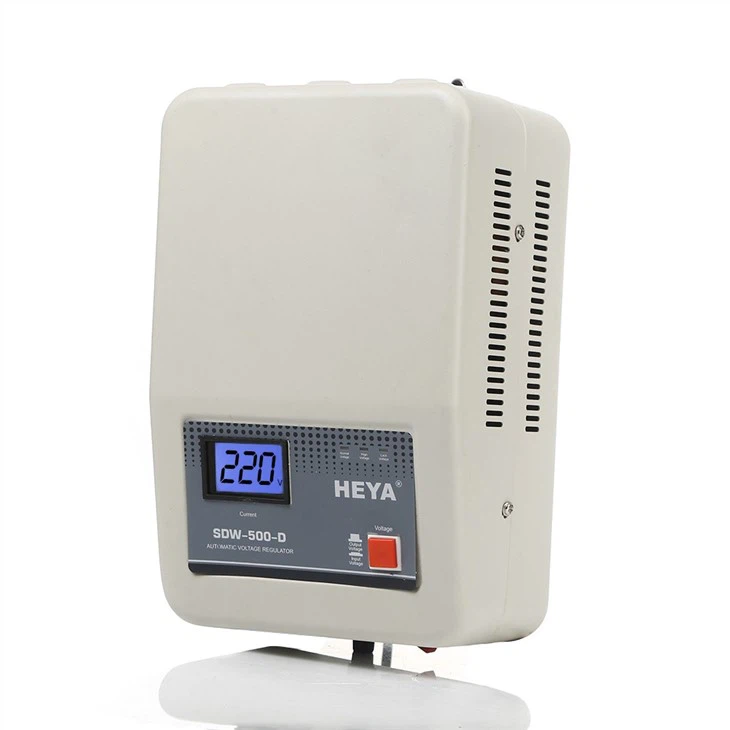
On the flip side, if the power regulator supplies too much voltage or current, it can damage the water - cooling components. That's why it's crucial to choose a power regulator that is rated to handle the power requirements of your water - cooling system. If you're not sure what the power requirements are, you can usually find this information in the user manual of your water - cooling system.
For more information on different types of voltage regulators, you can check out our Household Voltage Regulator and Air Voltage Regulator pages. And of course, if you're specifically looking for a Voltage Regulator for Pc, we've got you covered there too.
Physical Compatibility
Another aspect of compatibility is physical compatibility. Water - cooling systems come in all shapes and sizes, and so do power regulators. You need to make sure that there's enough space inside your computer case to accommodate both the power regulator and the water - cooling system.
Some water - cooling systems have large radiators and pumps that take up a lot of space. If your power regulator is also bulky, it might be difficult to find a place to mount them both without blocking airflow or interfering with other components.
You also need to consider the cable management. Water - cooling systems usually have a lot of cables for the pumps, fans, and sensors. Your power regulator will also have cables for power input and output. You need to make sure that you can route all these cables neatly inside the case to avoid any tangles or short - circuits.
Thermal Compatibility
Thermal compatibility is also a big deal. Power regulators generate heat when they're working, and so do water - cooling systems. You need to make sure that the heat generated by the power regulator doesn't interfere with the performance of the water - cooling system.
If the power regulator is placed too close to the radiator of the water - cooling system, it can heat up the air around the radiator. This can reduce the efficiency of the radiator in dissipating heat, which can lead to higher temperatures in your PC.
On the other hand, the water - cooling system should be able to handle the additional heat generated by the power regulator. If the water - cooling system is not powerful enough, it might not be able to keep the power regulator cool, which can cause the power regulator to malfunction.
Noise Compatibility
Noise is another factor to consider. Both power regulators and water - cooling systems can produce noise. Power regulators might make a humming sound, especially if they're working hard to regulate the power. Water - cooling systems can also make noise from the pumps and fans.
You need to make sure that the combined noise from the power regulator and the water - cooling system is acceptable to you. If you're building a quiet PC, you might want to choose a power regulator and a water - cooling system that are known for their low - noise operation.
How to Ensure Compatibility
So, how can you ensure that your power regulator and water - cooling system are compatible? Here are some tips:
- Do your research: Before you buy a power regulator and a water - cooling system, do some research. Read reviews, check the specifications, and make sure that they're a good match in terms of power requirements, physical size, and thermal performance.
- Consult the experts: If you're not sure about the compatibility, don't hesitate to consult with us or other experts in the field. We have a team of experienced technicians who can help you choose the right power regulator for your water - cooling system.
- Test the system: Once you've installed the power regulator and the water - cooling system, test the system. Monitor the temperatures, check the performance of the water - cooling system, and make sure that everything is working as it should.
In conclusion, compatibility between a computer power regulator and a water - cooling system is crucial for the proper functioning of your PC. By considering the electrical, physical, thermal, and noise aspects of compatibility, you can ensure that your system runs smoothly and efficiently.
If you're in the market for a high - quality computer power regulator, we'd love to hear from you. Whether you're building a new PC or upgrading an existing one, we have a wide range of power regulators to suit your needs. Just reach out to us, and we can start a conversation about your specific requirements. We're here to help you make the right choice and ensure that your PC runs at its best.
References
- PC Hardware Handbook: This comprehensive guide provides in - depth information about computer components, including power regulators and water - cooling systems.
- Water - Cooling System Manufacturer's Manuals: These manuals contain detailed information about the power requirements, installation, and maintenance of water - cooling systems.
- Power Regulator Technical Specifications: Our own technical specifications for power regulators offer valuable insights into their performance and compatibility with different components.