


Industrial voltage stabilizers are crucial components in ensuring the smooth operation of various industrial equipment. They protect machinery from voltage fluctuations, which can lead to equipment damage, production disruptions, and increased maintenance costs. As a leading supplier of [Industrial Voltage Stabilizer], understanding the appropriate maintenance intervals for these devices is essential for our customers to maximize their performance and longevity.

Factors Affecting Maintenance Intervals
The maintenance intervals for an industrial voltage stabilizer are influenced by several factors. Firstly, the operating environment plays a significant role. If the stabilizer is installed in a harsh environment with high levels of dust, humidity, or temperature variations, it will require more frequent maintenance. Dust can accumulate on the internal components, causing overheating and reducing the efficiency of the stabilizer. High humidity can lead to corrosion of the electrical connections, while extreme temperatures can affect the performance of the electronic components.
Secondly, the usage intensity of the stabilizer is another important factor. A stabilizer that is used continuously at high loads will experience more wear and tear compared to one that is used intermittently or at lower loads. Continuous operation at high loads generates more heat, which can accelerate the aging of the components. Therefore, stabilizers in high - usage scenarios need to be maintained more often.
Thirdly, the quality and type of the stabilizer also impact the maintenance intervals. High - quality stabilizers with advanced design and better - quality components generally require less frequent maintenance. Different types of stabilizers, such as servo - controlled stabilizers, static stabilizers, and ferro - resonant stabilizers, have different maintenance requirements based on their working principles and internal structures.
General Maintenance Intervals
Based on industry standards and our experience as a [Industrial Voltage Stabilizer] supplier, we can provide some general guidelines for maintenance intervals.
Daily Checks
- Visual Inspection: Conduct a visual inspection of the stabilizer daily. Check for any signs of physical damage, such as cracks in the casing, loose connections, or burnt components. Look for any abnormal noises or vibrations during operation, which could indicate a problem.
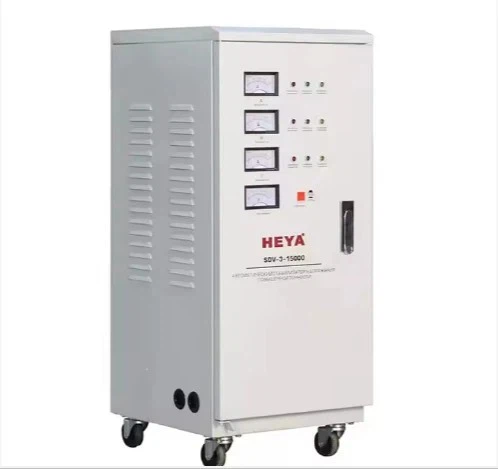
- Indicator Monitoring: Monitor the status indicators on the stabilizer. These indicators can show the input and output voltage levels, as well as any fault conditions. Ensure that the input and output voltages are within the specified range.
Weekly Checks
- Cleaning: Remove any dust or debris from the exterior of the stabilizer. Use a soft, dry cloth to wipe the surface. If the stabilizer is installed in a dusty environment, consider using a compressed air gun to blow out the dust from the ventilation openings.
- Function Testing: Perform a basic function test of the stabilizer. You can use a voltage meter to measure the input and output voltages at different load levels to ensure that the stabilizer is functioning properly.
Monthly Checks
- Internal Inspection: Open the stabilizer casing (if possible and following safety procedures) and perform an internal inspection. Check the condition of the electrical connections, including wires, terminals, and circuit boards. Look for any signs of overheating, such as discoloration or melting of the insulation.
- Component Testing: Test the key components of the stabilizer, such as relays, capacitors, and resistors, using appropriate testing equipment. Replace any components that are found to be faulty.
Quarterly Checks
- Calibration: Calibrate the stabilizer to ensure accurate voltage regulation. This may require the use of specialized calibration equipment. Incorrect calibration can lead to inaccurate voltage output, which can damage the connected equipment.
- Lubrication (if applicable): If the stabilizer has moving parts, such as servo motors in servo - controlled stabilizers, lubricate them according to the manufacturer's recommendations. Proper lubrication can reduce friction and wear, extending the lifespan of the moving parts.
Annual Checks
- Comprehensive Testing: Conduct a comprehensive performance test of the stabilizer. This includes testing the stabilizer at different load levels, input voltage variations, and for a longer period of time to simulate real - world operating conditions.
- Documentation Update: Update the maintenance records of the stabilizer. Record all the maintenance activities, including the date, type of maintenance, and any components that were replaced. This documentation can be useful for future reference and for warranty claims.
Importance of Adhering to Maintenance Intervals
Adhering to the recommended maintenance intervals is crucial for several reasons. Firstly, regular maintenance helps to prevent breakdowns and extend the lifespan of the stabilizer. By identifying and addressing potential problems early, you can avoid costly repairs and downtime. A well - maintained stabilizer is also more energy - efficient, which can result in cost savings over time.
Secondly, proper maintenance ensures the safety of the equipment and the personnel. Faulty stabilizers can pose a risk of electrical shock, fire, or damage to the connected machinery. By following the maintenance schedule, you can minimize these risks and ensure a safe working environment.
Finally, regular maintenance can also help to maintain the warranty of the stabilizer. Most manufacturers require that the stabilizer be maintained according to their recommended guidelines to honor the warranty. Failure to do so may void the warranty, leaving you responsible for any repair or replacement costs.
Conclusion
As a [Industrial Voltage Stabilizer] supplier, we understand the importance of proper maintenance for the optimal performance of our products. By considering the factors that affect maintenance intervals and following the general guidelines provided, our customers can ensure that their industrial voltage stabilizers operate efficiently and reliably.
If you are interested in learning more about the maintenance of industrial voltage stabilizers or are looking to purchase a high - quality stabilizer, we encourage you to [initiate a purchase - related discussion]. We have a wide range of products, including Industrial Voltage Regulator, Electric Power Stabilizer, and Medical Ac Stabilizer, to meet your specific needs. Contact us today to discuss your requirements and find the best solution for your industrial power needs.
References
- Electrical Equipment Maintenance Handbook
- Industry Standards for Industrial Voltage Stabilizers
- Manufacturer's Manuals for Industrial Voltage Stabilizers