



As a trusted supplier of Variable AC Regulators, I often get asked about the environmental conditions these devices can withstand. In this blog post, I'll delve into the various environmental factors that can impact the performance and longevity of Variable AC Regulators and explain how our products are designed to handle them.
Temperature
Temperature is one of the most critical environmental factors that can affect the operation of a Variable AC Regulator. Extreme temperatures, whether too hot or too cold, can lead to performance issues and even permanent damage.

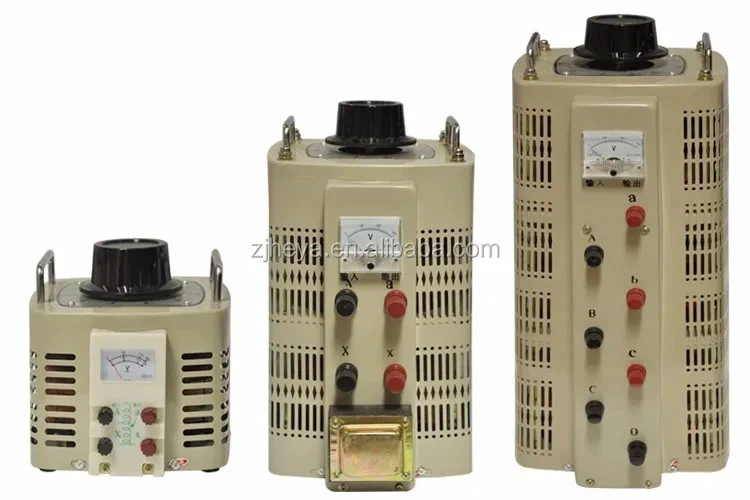
High Temperatures
High temperatures can cause the internal components of a Variable AC Regulator to overheat. This can lead to a decrease in efficiency, as the regulator may have to work harder to maintain the desired output voltage. Over time, excessive heat can also cause the insulation materials to degrade, increasing the risk of electrical shorts and failures.
Our Variable AC Regulators are designed with high - quality heat - dissipating materials and efficient cooling mechanisms. For example, many of our models feature large heat sinks that help to transfer heat away from the critical components. Additionally, we use advanced insulation materials that can withstand high temperatures without significant degradation. Our Variable Ac Regulator is tested under high - temperature conditions to ensure reliable performance in hot environments, such as industrial settings where machinery generates a lot of heat.
Low Temperatures
Low temperatures can also pose challenges. Cold temperatures can make the materials in the regulator more brittle, increasing the risk of mechanical damage. Additionally, the electrical properties of some components may change at low temperatures, affecting the regulator's ability to maintain a stable output voltage.
To address these issues, our Variable AC Regulators are engineered to operate in low - temperature environments. We use materials that remain flexible and maintain their electrical properties even in cold conditions. Our team conducts extensive cold - temperature testing to ensure that our products can function properly in refrigerated warehouses or outdoor applications during winter months.
Humidity
Humidity is another important environmental factor. High humidity can lead to condensation on the internal components of the regulator, which can cause corrosion and electrical shorts. Moisture can also penetrate the insulation materials, reducing their effectiveness and increasing the risk of electrical leakage.
Our Variable AC Regulators are built with moisture - resistant materials and protective coatings. These coatings help to prevent moisture from entering the device and protect the internal components from corrosion. We also design our products with proper ventilation to reduce the risk of condensation. For applications in high - humidity areas, such as coastal regions or indoor swimming pools, our Single Phase Variac Voltage Regulator provides reliable performance by withstanding the effects of humidity.
Dust and Particles
Dust and other particles in the environment can accumulate on the Variable AC Regulator's components. This can block ventilation paths, leading to overheating. Fine dust particles can also enter the electrical contacts, causing poor electrical connections and increasing the risk of arcing.
To combat the effects of dust and particles, our Variable AC Regulators are equipped with dust - proof enclosures. These enclosures prevent dust from entering the device and protect the internal components. We also recommend regular maintenance, such as cleaning the external surfaces and checking the ventilation openings, to ensure optimal performance in dusty environments, like construction sites or industrial workshops.
Vibration and Shock
In some applications, Variable AC Regulators may be exposed to vibration and shock. Vibration can cause loose connections within the regulator, leading to intermittent electrical problems. Severe shock can damage the internal components, rendering the regulator inoperable.
Our products are designed to withstand vibration and shock. We use robust mounting mechanisms and internal bracing to secure the components and prevent them from moving during vibration. Our Variac Variable Regulator undergoes rigorous vibration and shock testing to ensure that it can maintain its performance in applications where there is significant movement, such as on moving vehicles or in machinery with vibrating parts.
Electrical Noise
Electrical noise in the environment can interfere with the operation of a Variable AC Regulator. This noise can come from other electrical equipment, power lines, or radio frequency sources. Electrical noise can cause fluctuations in the output voltage and may even damage the regulator's control circuits.
To minimize the impact of electrical noise, our Variable AC Regulators are equipped with noise - filtering circuits. These circuits help to block out unwanted electrical signals and ensure a clean and stable output voltage. We also design our products with proper shielding to reduce the susceptibility to external electromagnetic interference.
Chemical Exposure
In some industrial or laboratory settings, Variable AC Regulators may be exposed to chemicals. Chemicals can corrode the external housing and internal components of the regulator, leading to premature failure.
Our Variable AC Regulators are available with chemical - resistant enclosures. These enclosures are made from materials that can withstand exposure to a variety of chemicals, such as acids, alkalis, and solvents. We work closely with customers in chemical - processing industries to provide customized solutions that meet their specific environmental requirements.
Altitude
Altitude can also affect the performance of a Variable AC Regulator. At high altitudes, the air density is lower, which can affect the cooling efficiency of the regulator. The lower air density means that there is less air available to carry away heat, increasing the risk of overheating.
Our products are designed to account for altitude effects. We adjust the cooling mechanisms and component ratings to ensure that our Variable AC Regulators can operate safely and efficiently at high altitudes. Whether it's in mountainous regions or high - rise buildings, our regulators are engineered to maintain their performance.
Conclusion
In conclusion, our Variable AC Regulators are designed to withstand a wide range of environmental conditions. From extreme temperatures and humidity to dust, vibration, electrical noise, chemical exposure, and altitude, we have taken every factor into account during the design and manufacturing process. Our commitment to quality and reliability ensures that our products can provide stable and efficient voltage regulation in even the most challenging environments.
If you are in need of a Variable AC Regulator for your specific application, we invite you to contact us for a detailed discussion. Our team of experts can help you select the right product based on your environmental requirements and provide you with all the technical support you need. We look forward to working with you to meet your voltage regulation needs.
References
- "Handbook of Electrical Engineering", various authors
- "Environmental Engineering for Electrical Systems", published by a leading engineering institute
- Technical data sheets from our in - house research and development department