



As a supplier of small voltage regulators, I've often been asked about the line transient response of these essential devices. In this blog post, I'll delve into what line transient response is, why it matters for small voltage regulators, and how our products excel in this aspect.
Understanding Line Transient Response
Line transient response refers to how a voltage regulator reacts to sudden changes in the input voltage. In real - world electrical systems, the input voltage is rarely constant. There can be abrupt spikes or dips due to various factors such as switching large loads on and off, lightning strikes, or grid disturbances. A voltage regulator's ability to quickly and accurately adjust its output voltage in response to these input voltage changes is what we call line transient response.
Let's break down the key components of line transient response:
1. Rise Time
The rise time is the time it takes for the output voltage of the regulator to reach a specified percentage (usually 90%) of its final value after a step increase in the input voltage. A shorter rise time indicates that the regulator can quickly adapt to an increase in the input voltage, minimizing the time during which the output voltage is not within the desired range.
2. Fall Time
Conversely, the fall time is the time it takes for the output voltage to reach a specified percentage (again, usually 90%) of its final value after a step decrease in the input voltage. A fast fall time is crucial when the input voltage suddenly drops, ensuring that the output voltage remains stable and within the acceptable limits.
3. Overshoot and Undershoot
Overshoot occurs when the output voltage exceeds its steady - state value during the transient response to an input voltage change. Undershoot, on the other hand, is when the output voltage drops below its steady - state value. Minimizing overshoot and undershoot is essential because excessive deviations from the desired output voltage can damage sensitive electronic components connected to the regulator.
Why Line Transient Response Matters for Small Voltage Regulators
Small voltage regulators are used in a wide range of applications, from consumer electronics to industrial control systems. In many of these applications, the connected devices are highly sensitive to voltage fluctuations.
For example, in portable electronic devices such as smartphones and laptops, a small voltage regulator is responsible for providing a stable power supply to the internal components. A poor line transient response could lead to temporary glitches, data corruption, or even permanent damage to the device.
In industrial settings, small voltage regulators are often used to power sensors, actuators, and control circuits. Any instability in the output voltage due to a slow or inaccurate line transient response can cause measurement errors, improper operation of equipment, and potentially lead to costly production downtime.
Our Small Voltage Regulators and Line Transient Response
At our company, we understand the critical importance of line transient response in small voltage regulators. That's why we've invested heavily in research and development to ensure that our products offer exceptional performance in this area.
Our engineers have designed advanced control algorithms and feedback mechanisms that allow our regulators to detect and respond to input voltage changes in a matter of microseconds. This rapid response time helps to minimize overshoot and undershoot, ensuring that the output voltage remains stable and within the tightest tolerance levels.
We also use high - quality components and advanced manufacturing processes to build our regulators. This not only enhances their reliability but also contributes to their excellent line transient response characteristics.
Applications and Related Products
Our small voltage regulators are suitable for a variety of applications. If you're looking for a regulator for a specific use case, we have several options available.
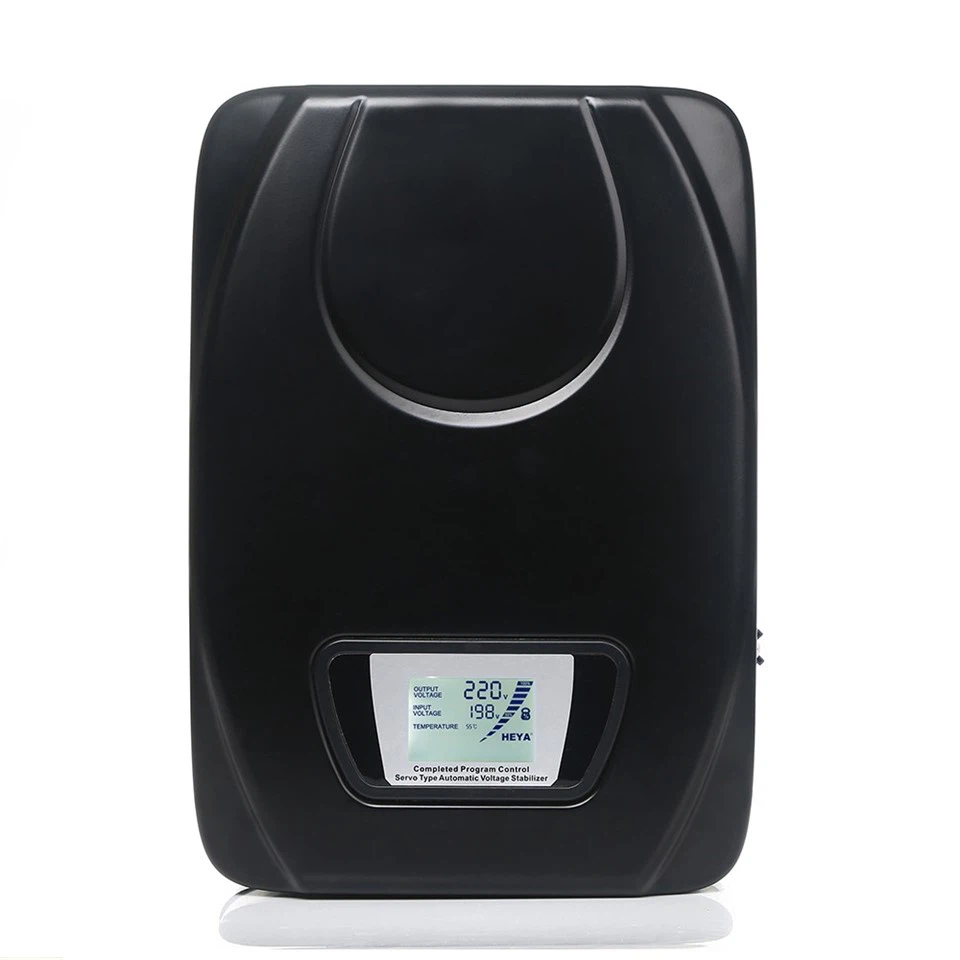
- Digital Display Servo Voltage Regulator: This type of regulator is ideal for applications where precise voltage control and digital monitoring are required. You can learn more about it here.
- Voltage Regulator for Air Conditioner: Air conditioners are large electrical loads that can cause significant voltage fluctuations. Our specialized voltage regulator for air conditioners ensures stable power supply, protecting the unit from damage. Check out more details here.
- Single Phase Ac Regulator: For single - phase AC power systems, our single - phase AC regulator provides reliable voltage regulation. You can find more information about it here.
How to Evaluate Line Transient Response
When choosing a small voltage regulator, it's important to evaluate its line transient response characteristics. Here are some steps you can take:
1. Check the Datasheet
The datasheet of the voltage regulator should provide information about its rise time, fall time, overshoot, and undershoot specifications. Look for regulators with short rise and fall times and low overshoot and undershoot values.
2. Conduct Testing
If possible, conduct your own tests on the regulator. Apply step changes in the input voltage and measure the output voltage response using an oscilloscope. This will give you a real - world understanding of how the regulator performs under transient conditions.
3. Consider the Application Requirements
Different applications have different requirements for line transient response. For example, a high - speed data communication device may require a regulator with an extremely fast response time, while a less sensitive device may tolerate a slightly slower response.
Contact Us for Your Voltage Regulator Needs
If you're in the market for a small voltage regulator with excellent line transient response, we're here to help. Our team of experts can assist you in selecting the right product for your specific application. Whether you need a regulator for a consumer device, an industrial system, or any other use case, we have the solution.
Don't hesitate to reach out to us to discuss your requirements and start the procurement process. We're committed to providing you with high - quality products and outstanding customer service.

References
- "Power Electronics: Converters, Applications, and Design" by Ned Mohan, Tore M. Undeland, and William P. Robbins.
- "Voltage Regulator Design Handbook" by Linear Technology Corporation.
- "Fundamentals of Power Electronics" by Robert W. Erickson and Dragan Maksimovic.