



In the realm of electrical engineering and power management, electronic voltage regulators play a pivotal role in ensuring the stable and reliable operation of various electrical devices. One of the key concepts associated with these regulators is parallel operation. As a leading supplier of electronic voltage regulators, I am excited to delve into the intricacies of what parallel operation of electronic voltage regulators entails, its benefits, challenges, and practical applications.
Understanding Electronic Voltage Regulators
Before we explore parallel operation, it's essential to have a clear understanding of electronic voltage regulators themselves. These devices are designed to maintain a constant output voltage regardless of changes in the input voltage or load current. They are widely used in a variety of applications, from small electronic devices like smartphones and laptops to large industrial machinery and power distribution systems.
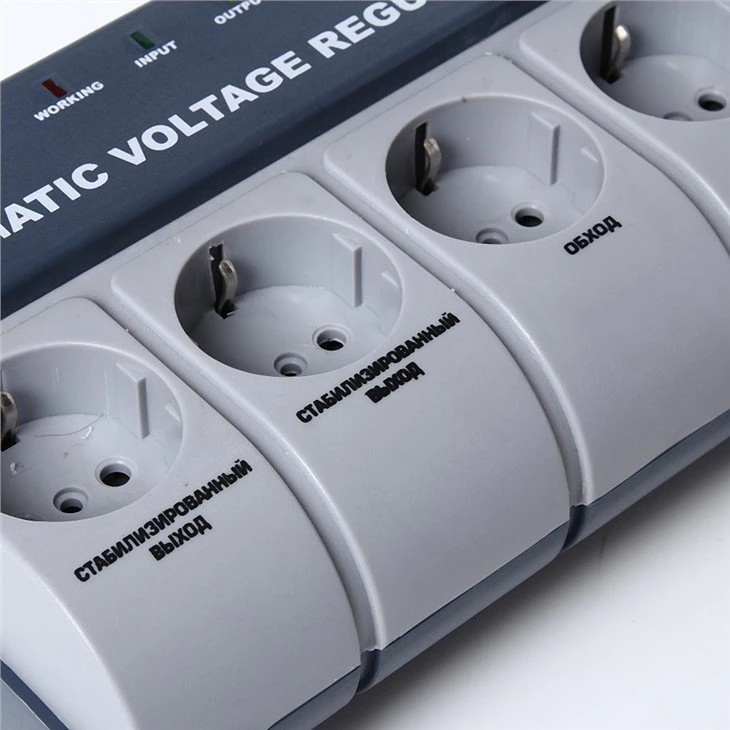
There are different types of electronic voltage regulators, including linear regulators and switching regulators. Linear regulators operate by dissipating excess voltage as heat, while switching regulators use a switching element to convert the input voltage to the desired output voltage more efficiently. At our company, we offer a wide range of voltage regulators to meet the diverse needs of our customers, including Ac AVR, Wall Mount Voltage Regulator, and Portable Voltage Regulator.

What is Parallel Operation of Electronic Voltage Regulators?
Parallel operation of electronic voltage regulators refers to the practice of connecting two or more voltage regulators together to share the load current. Instead of relying on a single regulator to handle the entire load, multiple regulators work in tandem to distribute the current evenly. This approach offers several advantages, especially in high-power applications where a single regulator may not be sufficient to meet the load requirements.
When voltage regulators are connected in parallel, they are typically configured in such a way that they have the same output voltage. This ensures that each regulator contributes proportionally to the total load current. The regulators are also designed to communicate with each other to maintain stability and prevent any one regulator from overloading.
Benefits of Parallel Operation
Increased Power Handling Capacity
One of the primary benefits of parallel operation is the ability to increase the power handling capacity of the voltage regulation system. By connecting multiple regulators in parallel, the total current-carrying capacity of the system is effectively multiplied. This is particularly useful in applications where high power is required, such as in industrial power supplies or large-scale data centers.
Redundancy and Reliability
Parallel operation also provides redundancy, which enhances the reliability of the voltage regulation system. If one regulator fails, the remaining regulators can continue to supply power to the load, minimizing the risk of downtime. This is crucial in critical applications where uninterrupted power supply is essential, such as in hospitals, telecommunications networks, and aerospace systems.
Improved Load Sharing
Another advantage of parallel operation is improved load sharing. When multiple regulators are connected in parallel, they can distribute the load current more evenly, reducing the stress on individual regulators. This helps to extend the lifespan of the regulators and improve the overall efficiency of the system.
Challenges of Parallel Operation
While parallel operation offers many benefits, it also presents some challenges that need to be addressed. One of the main challenges is ensuring proper load sharing among the regulators. If the regulators are not properly matched or configured, one regulator may end up carrying more load than the others, leading to overheating and premature failure.
Another challenge is the potential for instability in the parallel operation. When multiple regulators are connected together, there is a risk of interaction between them, which can cause oscillations or other stability issues. To mitigate these risks, careful design and control strategies are required, such as using current-sharing techniques and feedback control loops.
Practical Applications of Parallel Operation
Parallel operation of electronic voltage regulators is widely used in a variety of applications, including:
Industrial Power Supplies
In industrial settings, high-power electrical equipment often requires a stable and reliable power supply. Parallel operation of voltage regulators can be used to meet the high power demands of these applications while ensuring proper load sharing and redundancy.
Renewable Energy Systems
Renewable energy sources such as solar panels and wind turbines generate variable power output. Parallel operation of voltage regulators can be used to regulate the output voltage of these sources and ensure that the power is efficiently transferred to the grid or stored in batteries.
Telecommunications Networks
Telecommunications networks require a continuous and stable power supply to ensure reliable communication. Parallel operation of voltage regulators can provide the necessary power backup and redundancy to prevent network outages.
Design Considerations for Parallel Operation
When designing a parallel operation system for electronic voltage regulators, several factors need to be considered:
Current Sharing
Proper current sharing is essential to ensure that each regulator contributes proportionally to the total load current. This can be achieved through various methods, such as using current-sharing resistors, active current-sharing circuits, or digital control algorithms.
Voltage Matching
The output voltages of the regulators need to be closely matched to ensure proper load sharing and prevent any one regulator from overloading. This can be achieved through careful selection and calibration of the regulators.
Thermal Management
Parallel operation can generate more heat due to the increased power dissipation. Adequate thermal management is required to ensure that the regulators operate within their specified temperature range and to prevent overheating.
Conclusion
In conclusion, parallel operation of electronic voltage regulators is a powerful technique that offers many benefits in terms of increased power handling capacity, redundancy, and improved load sharing. However, it also presents some challenges that need to be carefully addressed through proper design and control strategies. As a supplier of electronic voltage regulators, we have the expertise and experience to provide our customers with high-quality regulators and solutions for parallel operation.
If you are interested in learning more about our electronic voltage regulators or discussing your specific requirements for parallel operation, we encourage you to contact us. Our team of experts is ready to assist you in finding the best solution for your application.
References
- “Power Electronics: Converters, Applications, and Design” by Ned Mohan, Tore M. Undeland, and William P. Robbins
- “Electronic Devices and Circuit Theory” by Robert L. Boylestad and Louis Nashelsky
- Technical documents and datasheets from electronic component manufacturers