


As a provider of Electric Power Stabilizers, I've been frequently posed with a crucial question by customers and industry enthusiasts alike: "What is the power consumption of an Electric Power Stabilizer itself?" This query is not only relevant for cost - conscious consumers but also for those aiming to optimize energy usage in their facilities. In this blog, we'll delve deep into the factors that influence the self - power consumption of electric power stabilizers and shed light on what users can expect.
Understanding Electric Power Stabilizers
Electric power stabilizers are indispensable devices in modern electrical systems. Their primary function is to maintain a stable output voltage, despite fluctuations in the input supply. This is vital for the proper operation of electrical equipment, as many devices are sensitive to voltage variations. A stable voltage ensures that appliances and machinery operate efficiently, reduces the risk of damage, and extends their lifespan.
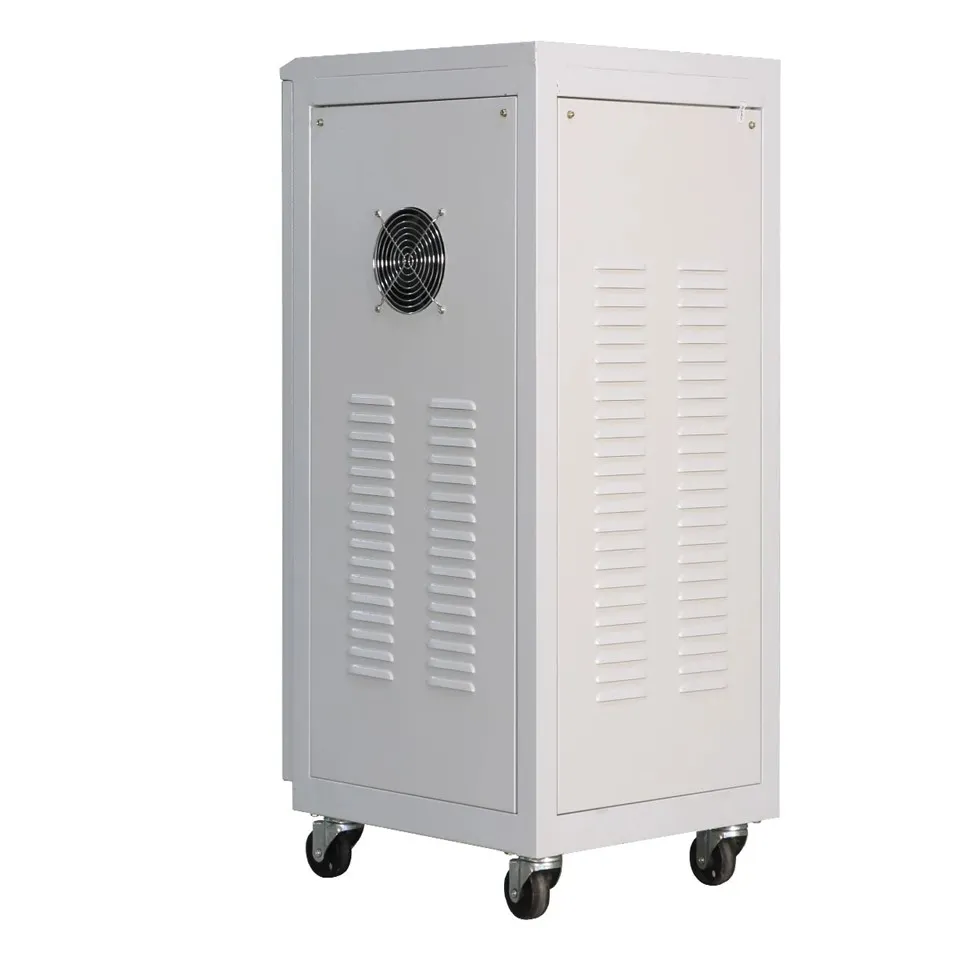
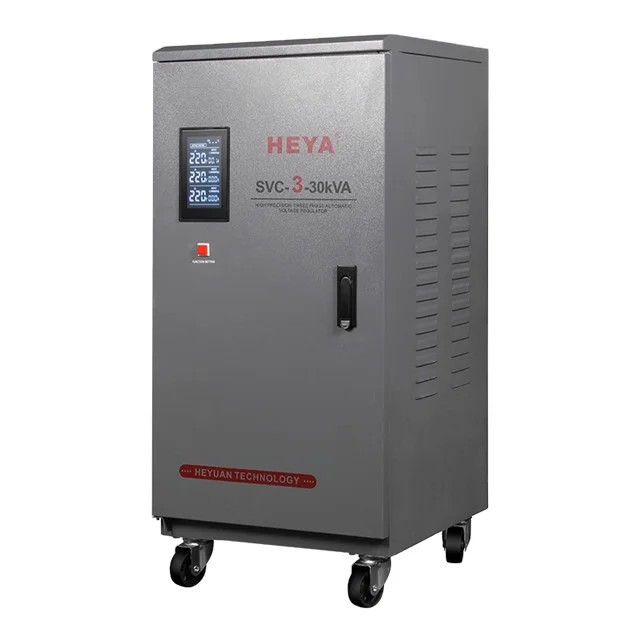
There are various types of electric power stabilizers available in the market, each catering to different applications. For instance, the Industrial 3 Phase Voltage Stabilizer is designed for heavy - duty industrial use, where large machinery and equipment require a consistent power supply. On the other hand, the Medical Ac Stabilizer is specifically tailored for medical facilities, where the precision and reliability of power supply are of utmost importance for the proper functioning of sensitive medical equipment.
Factors Affecting Self - Power Consumption
The self - power consumption of an electric power stabilizer is influenced by a multitude of factors. Let's take a closer look at some of the most significant ones:
1. Type of Stabilizer
There are different technologies used in power stabilizers, such as servo - controlled stabilizers, relay - type stabilizers, and static stabilizers. Servo - controlled stabilizers use a servo motor to adjust the voltage, and they typically have a relatively higher self - power consumption compared to relay - type stabilizers. The servo motor consumes power while it is in operation, especially when making frequent adjustments to the voltage. Relay - type stabilizers, on the other hand, use relays to switch between different tap positions to regulate the voltage. They generally consume less power because relays have lower power requirements. Static stabilizers, which use power electronic components like thyristors, also have their own power consumption characteristics. They are often more energy - efficient in some applications but may consume more power during high - load or rapid - adjustment scenarios.
2. Capacity of the Stabilizer
The capacity of an electric power stabilizer, measured in volt - amperes (VA) or kilovolt - amperes (kVA), has a direct impact on its self - power consumption. Larger - capacity stabilizers are designed to handle higher loads, and they require more power to operate their internal components, such as transformers, control circuits, and sensors. For example, an Industrial Voltage Stabilizer with a high kVA rating will consume more power than a smaller - capacity stabilizer used for domestic appliances.
3. Efficiency Rating
The efficiency of a power stabilizer is an important parameter. It is defined as the ratio of the output power to the input power, usually expressed as a percentage. A more efficient stabilizer will consume less power in the process of voltage regulation. High - quality stabilizers are designed to have high efficiency ratings, which means that a greater proportion of the input power is delivered to the load, and less is wasted as heat or used by the internal components of the stabilizer.
4. Load Conditions
The self - power consumption of a stabilizer can also vary depending on the load it is connected to. If the load is light and relatively stable, the stabilizer may consume less power as it doesn't need to make significant voltage adjustments. However, when the load is heavy or fluctuates frequently, the stabilizer may have to work harder, leading to increased power consumption. For example, in an industrial setting where machinery starts and stops frequently, the stabilizer will continuously adjust the voltage, consuming more power in the process.
Typical Values of Self - Power Consumption
The self - power consumption of electric power stabilizers can vary widely depending on the factors mentioned above. For small domestic stabilizers with a capacity of around 1 - 2 kVA, the self - power consumption can be in the range of 10 - 50 watts. These stabilizers are commonly used to protect household appliances such as televisions, refrigerators, and air conditioners.
In industrial applications, large - capacity stabilizers with ratings of 50 kVA or more can have self - power consumption values ranging from a few hundred watts to several kilowatts. For instance, a high - end Industrial 3 Phase Voltage Stabilizer with a 100 kVA capacity may consume around 1 - 2 kW of power when operating under normal conditions.
It's important to note that these are just typical values, and the actual self - power consumption can deviate based on the specific design, quality, and operating conditions of the stabilizer.
Measuring and Reducing Self - Power Consumption
If you want to know the exact self - power consumption of your electric power stabilizer, you can use a power meter. Connect the power meter between the stabilizer and the power source, and it will measure the amount of power the stabilizer is drawing.
To reduce the self - power consumption of a stabilizer, you can take several steps. First, choose a high - efficiency stabilizer. Look for products with high - quality components and advanced control algorithms that minimize power losses. Second, ensure that the capacity of the stabilizer is properly matched to the load. An oversized stabilizer will consume more power than necessary, while an undersized stabilizer may not be able to provide stable voltage and may also overheat, leading to increased power consumption. Third, maintain the stabilizer regularly. Clean the internal components, check for loose connections, and replace any worn - out parts to ensure optimal performance.
Importance of Energy - Efficient Stabilizers
In today's world, where energy conservation is a top priority, using energy - efficient electric power stabilizers can have several benefits. Firstly, it helps to reduce electricity bills. By minimizing the self - power consumption, users can save money on their energy costs over time. Secondly, it is environmentally friendly. Reducing the power consumption of stabilizers means less energy is being generated, which in turn reduces the carbon footprint associated with electricity production. Thirdly, energy - efficient stabilizers often come with advanced features and better reliability, which can enhance the overall performance of the electrical system.
Conclusion and Call to Action
Understanding the self - power consumption of electric power stabilizers is crucial for both individual users and businesses. By being aware of the factors that influence self - power consumption and taking steps to reduce it, users can optimize their energy usage, save money, and contribute to a more sustainable future.
At our company, we are committed to providing high - quality, energy - efficient electric power stabilizers that meet the diverse needs of our customers. Whether you are looking for a Medical Ac Stabilizer for your healthcare facility or an Industrial Voltage Stabilizer for your manufacturing plant, we have the right solution for you.
If you are interested in learning more about our products or would like to discuss your specific requirements, please feel free to reach out to us. Our team of experts is always ready to assist you with your electric power stabilizer needs and help you make the best choice for your application.
References
- "Electric Power Systems" by J. Arrillaga and B. J. Chowdhury
- "Principles of Electric Circuits" by Thomas L. Floyd
- Industry reports on power stabilizer technology and energy efficiency