


Hey there! As a supplier of small voltage regulators, I often get asked about the shutdown function of these nifty little devices. So, I thought I'd take a moment to break it down for you.
First off, let's talk about what a small voltage regulator actually is. In simple terms, it's a device that helps maintain a stable voltage output, even when the input voltage fluctuates. This is super important for a whole bunch of electronic devices, as they need a consistent voltage to work properly. If the voltage is too high or too low, it can cause all sorts of problems, like reduced performance, shortened lifespan, or even complete failure of the device.
Now, let's dive into the shutdown function. The shutdown function of a small voltage regulator is exactly what it sounds like – it's a way to turn off the regulator and stop it from providing power. There are a few different reasons why you might want to use this function.
One common reason is for power conservation. In some applications, there are periods when the electronic device doesn't need to be powered all the time. For example, in a battery - powered device, you might want to shut down the voltage regulator when the device is in standby mode. By doing this, you can significantly reduce the power consumption, which in turn extends the battery life. It's like turning off the lights when you leave a room to save electricity.
Another reason is for safety. If there's a fault in the system, such as a short - circuit or an over - current situation, the shutdown function can be used to protect the voltage regulator and the connected electronic devices. When the regulator detects an abnormal condition, it can automatically shut down to prevent damage. This is like having a safety valve in a pressure system that releases the pressure when it gets too high.
So, how does the shutdown function work? Well, there are a few different ways. Some small voltage regulators have a dedicated shutdown pin. You can connect this pin to a control signal, like a microcontroller output. When the control signal is at a certain level (usually high or low, depending on the regulator's design), the regulator will enter the shutdown mode.
In other cases, the regulator might have an internal protection circuit that can trigger the shutdown function. For example, if the temperature of the regulator gets too high, the internal circuit will detect it and shut down the regulator to prevent overheating.
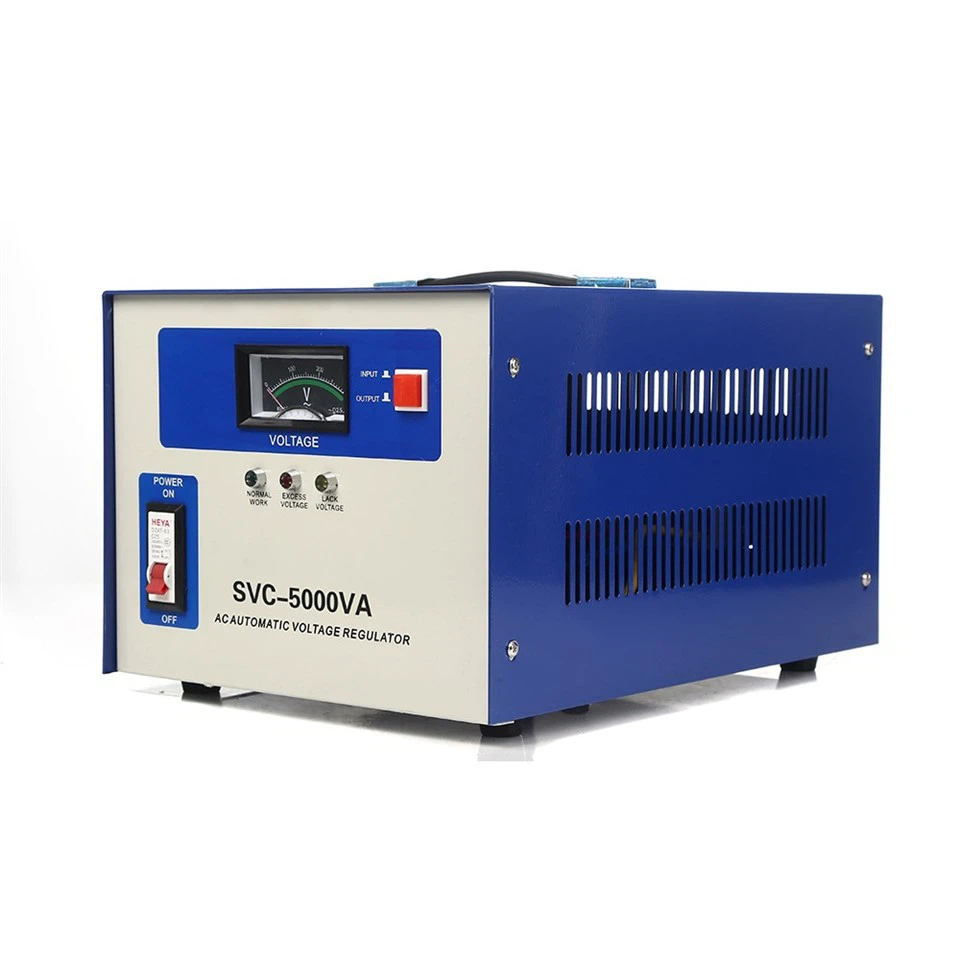
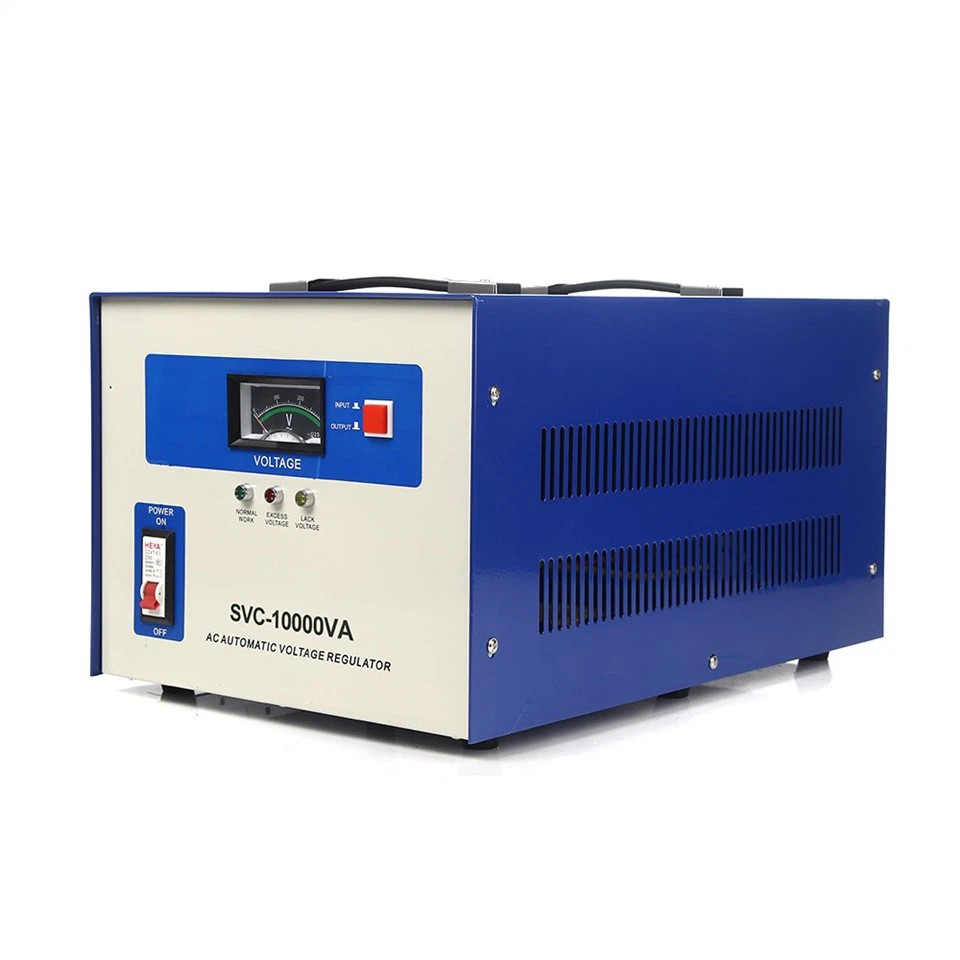
Let's take a look at some of the small voltage regulators we offer. We have the TND Single Phase Voltage Regulator. This regulator is great for single - phase applications and comes with a reliable shutdown function. It can be easily controlled using an external signal, making it a flexible choice for various systems.
Our Servo Motor Stabilizer is another great option. It's designed to provide stable voltage to servo motors, which are very sensitive to voltage fluctuations. The shutdown function in this stabilizer ensures that the motor is protected in case of any electrical issues.
And then there's our Motor Voltage Regulator. This regulator is specifically tailored for motor applications. It can handle high - current loads and has a robust shutdown mechanism to safeguard both the regulator and the motor.
When choosing a small voltage regulator with a shutdown function, there are a few things you should consider. First, you need to think about the shutdown method. As I mentioned earlier, some regulators use a dedicated pin, while others rely on internal protection circuits. Make sure the method suits your application requirements.
You also need to look at the power consumption in shutdown mode. A good regulator should have very low power consumption when it's shut down to maximize energy savings.
Another important factor is the response time of the shutdown function. In case of a fault, you want the regulator to shut down as quickly as possible to prevent damage.
If you're in the market for a small voltage regulator with a reliable shutdown function, we'd love to help. We've been in the business for a while, and we know what it takes to provide high - quality voltage regulators. Whether you're working on a small DIY project or a large - scale industrial application, we have the right product for you.
Just drop us a line, and we can have a chat about your specific needs. We can help you choose the best voltage regulator and answer any questions you might have. Our team is always ready to assist you in finding the perfect solution for your voltage regulation requirements.
References
- "Voltage Regulator Handbook" - A comprehensive guide on voltage regulators and their functions.
- "Power Electronics: Converters, Applications, and Design" - This book covers various aspects of power electronics, including voltage regulators and their protection mechanisms.