


As a supplier of AC regulators, I often encounter inquiries from customers about the diverse applications of our products. One common question that arises is whether an AC regulator can be used for lighting systems. In this blog post, I'll delve into this topic, exploring the feasibility, benefits, and considerations of using an AC regulator in lighting setups.
Understanding AC Regulators
Before we discuss the application of AC regulators in lighting systems, it's essential to understand what an AC regulator is and how it functions. An AC regulator, also known as a voltage regulator, is a device that maintains a constant output voltage regardless of changes in the input voltage or load. It works by adjusting the voltage level to ensure that the connected equipment receives a stable and consistent power supply.
There are different types of AC regulators available in the market, including Home Appliances Voltage Regulator, Step Up Stabilizer for Ac, and Socket Stabilizer. Each type has its own features and applications, but they all serve the primary purpose of regulating voltage.

Feasibility of Using AC Regulators in Lighting Systems
The short answer is yes, an AC regulator can be used for lighting systems. In fact, using an AC regulator in lighting setups can offer several advantages, especially in situations where the voltage supply is unstable or fluctuates frequently.
Voltage Fluctuations and Their Impact on Lighting
Voltage fluctuations are a common problem in many electrical systems. These fluctuations can be caused by various factors, such as power grid issues, heavy electrical loads, or faulty wiring. When the voltage supplied to a lighting system fluctuates, it can have several negative effects on the lighting fixtures:
- Reduced Lifespan: Fluctuating voltage can cause premature failure of lighting bulbs, especially incandescent and halogen bulbs. The constant changes in voltage can put stress on the filaments, leading to burnout and shortening the lifespan of the bulbs.
- Inconsistent Lighting: Voltage fluctuations can also result in inconsistent lighting levels. The brightness of the bulbs may vary, causing discomfort and reducing the overall quality of the lighting.
- Energy Inefficiency: When the voltage is too high, the lighting fixtures may consume more energy than necessary, leading to increased energy costs. On the other hand, when the voltage is too low, the bulbs may not operate at their optimal efficiency, also resulting in energy waste.
How AC Regulators Can Help
An AC regulator can help mitigate the negative effects of voltage fluctuations on lighting systems by providing a stable and consistent voltage supply. Here's how it works:
- Voltage Stabilization: The AC regulator continuously monitors the input voltage and adjusts the output voltage to maintain a constant level. This ensures that the lighting fixtures receive a stable voltage, regardless of any fluctuations in the power supply.
- Extended Lifespan: By providing a stable voltage, the AC regulator can help extend the lifespan of the lighting bulbs. The reduced stress on the filaments can prevent premature burnout and increase the overall durability of the bulbs.
- Consistent Lighting: With a stable voltage supply, the lighting fixtures will produce a consistent level of brightness, providing a more comfortable and visually appealing lighting environment.
- Energy Efficiency: The AC regulator can optimize the voltage supplied to the lighting fixtures, ensuring that they operate at their optimal efficiency. This can result in energy savings and reduced electricity bills.
Considerations When Using AC Regulators in Lighting Systems
While using an AC regulator in lighting systems can offer many benefits, there are also some considerations that need to be taken into account:
Compatibility
Not all AC regulators are suitable for use with lighting systems. It's important to choose an AC regulator that is specifically designed for lighting applications and is compatible with the type of lighting fixtures you are using. For example, some lighting fixtures, such as LED lights, may require a different type of voltage regulation than traditional incandescent or halogen bulbs.
Capacity
The capacity of the AC regulator is another important consideration. You need to choose an AC regulator that has a sufficient capacity to handle the total power consumption of your lighting system. If the capacity of the AC regulator is too low, it may not be able to provide a stable voltage supply, which can lead to performance issues and potentially damage the lighting fixtures.
Installation
Proper installation of the AC regulator is crucial to ensure its optimal performance. It's recommended to have the AC regulator installed by a qualified electrician who has experience working with electrical systems. The electrician will be able to ensure that the AC regulator is installed correctly and that all the wiring is properly connected.

Maintenance
Like any other electrical device, the AC regulator requires regular maintenance to ensure its continued operation. This may include checking the voltage output, inspecting the wiring for any signs of damage, and cleaning the regulator to remove any dust or debris. It's important to follow the manufacturer's instructions for maintenance and to schedule regular inspections to detect and address any potential issues.
Conclusion
In conclusion, an AC regulator can be a valuable addition to a lighting system, especially in situations where the voltage supply is unstable or fluctuates frequently. By providing a stable and consistent voltage supply, the AC regulator can help extend the lifespan of the lighting bulbs, improve the quality of the lighting, and reduce energy consumption. However, it's important to choose the right AC regulator for your lighting system and to ensure that it is installed and maintained properly.
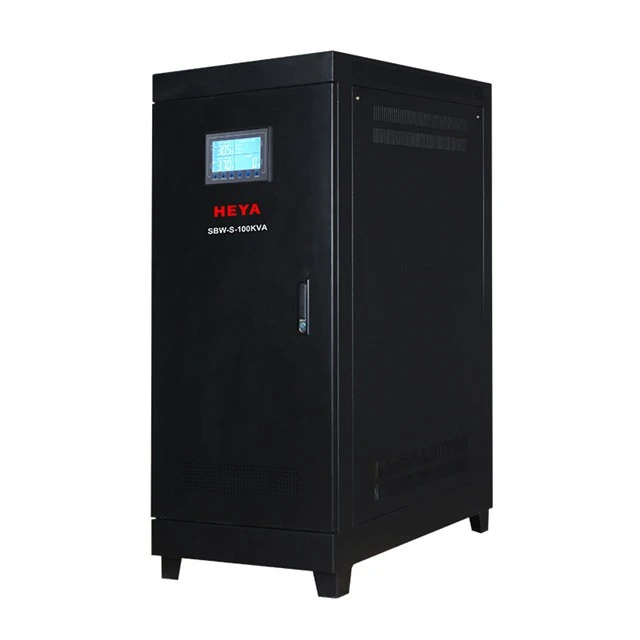
If you're interested in using an AC regulator for your lighting system or have any questions about our products, please feel free to contact us. We're a leading supplier of AC regulators and have a wide range of products to meet your specific needs. Our team of experts is available to provide you with technical support and guidance to help you make the right choice for your lighting setup. Let's start a conversation about how our AC regulators can enhance your lighting system today.
References
- Electrical Installation Guidelines, National Electrical Code (NEC)
- Lighting Technology Handbook, Illuminating Engineering Society (IES)
- Voltage Regulation Principles, Electrical Engineering Textbooks