


Hey there! As a supplier of AC regulators, I often get asked a bunch of questions about where our products can be used. One question that pops up quite a bit is, "Can an AC regulator be used in a marine environment?" Well, let's dive right into this topic and find out.
First off, let's understand what an AC regulator does. Simply put, an AC regulator is a device that maintains a constant voltage level for electrical equipment. It's super important because many electrical devices are designed to work within a specific voltage range. If the voltage is too high or too low, it can cause damage to the equipment, reduce its lifespan, or even lead to safety hazards.
Now, when it comes to the marine environment, things get a bit tricky. The marine environment is harsh. It's full of saltwater, high humidity, and extreme temperature variations. Saltwater is highly corrosive, and it can eat away at the components of an AC regulator over time. High humidity can cause moisture to seep into the device, leading to short - circuits and other electrical problems. And the temperature changes can expand and contract the materials in the regulator, potentially causing mechanical failures.
But does that mean an AC regulator can't be used in a marine environment? Not necessarily. There are ways to make it work.
One of the key factors is the construction of the AC regulator. It needs to be made of materials that are resistant to corrosion. For example, using stainless - steel enclosures instead of regular steel can significantly reduce the risk of rusting. Some regulators also have special coatings that act as a barrier against saltwater and moisture. These coatings can be made of polymers or other protective substances that prevent the corrosive elements from reaching the internal components.
Another important aspect is the sealing of the regulator. A well - sealed AC regulator can keep out moisture and saltwater. It should have gaskets and seals around all openings, such as vents and access panels. This way, even in a high - humidity or wet environment, the internal parts of the regulator remain dry and protected.
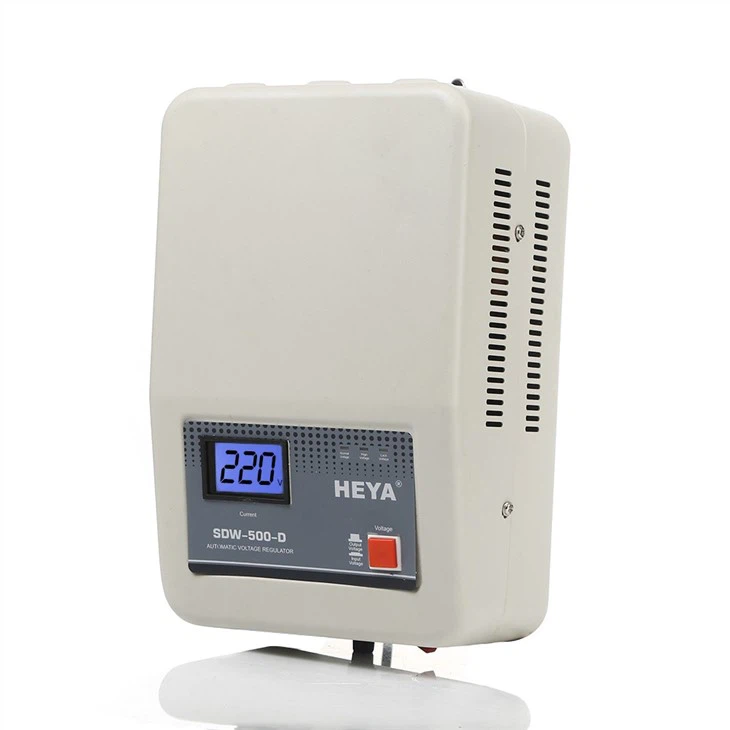

In addition to the physical construction, the electrical design of the AC regulator also matters. It should be able to handle the electrical fluctuations that are common in a marine setting. For instance, when large electrical loads are turned on or off on a boat, it can cause sudden changes in the voltage. A good AC regulator should be able to quickly adjust and maintain a stable voltage output.
Now, let's talk about the types of AC regulators that are suitable for marine use. There are different models available, each with its own features and capabilities.
One type is the Computer Power Regulator. This type of regulator is designed to provide a stable power supply for computers and other sensitive electronic devices. In a marine environment, there are often computers on board for navigation, communication, and other purposes. A computer power regulator can ensure that these devices receive a consistent voltage, protecting them from damage due to voltage fluctuations.
Another option is the Voltage Regulator for Pc. Similar to the computer power regulator, it is specifically tailored to the needs of personal computers. It can filter out electrical noise and provide a clean power source, which is crucial for the proper functioning of PCs in a potentially noisy marine electrical system.
The Appliance Voltage Regulator is also useful in a marine environment. It can be used to regulate the voltage for various appliances on a boat, such as refrigerators, microwave ovens, and lighting systems. By maintaining a stable voltage, it can prevent these appliances from malfunctioning or getting damaged.
When choosing an AC regulator for marine use, it's important to consider the power requirements of your electrical equipment. You need to make sure that the regulator can handle the total load of all the devices that will be connected to it. Also, look for regulators that have been tested and certified for marine applications. This ensures that they meet the necessary safety and performance standards.
Installation is another crucial step. The AC regulator should be installed in a location that is protected from direct exposure to saltwater and excessive moisture. It should also be properly grounded to prevent electrical shocks and to ensure the safe operation of the device.
Regular maintenance is also essential. You should inspect the regulator periodically for any signs of corrosion, damage, or wear. Clean the exterior of the regulator to remove any salt deposits or dirt. Check the seals and gaskets to make sure they are still in good condition.
In conclusion, while the marine environment presents some challenges, an AC regulator can definitely be used in this setting. With the right construction, design, and installation, it can provide a stable voltage supply for your electrical equipment on a boat or other marine vessels.
If you're in the market for an AC regulator for your marine needs, we're here to help. We have a wide range of high - quality AC regulators that are suitable for different marine applications. Whether you need a Computer Power Regulator, a Voltage Regulator for Pc, or an Appliance Voltage Regulator, we've got you covered. Contact us to start a procurement discussion and find the perfect solution for your requirements.
References:
- Marine Electrical Systems Handbook
- Electrical Engineering for Marine Applications