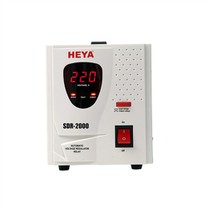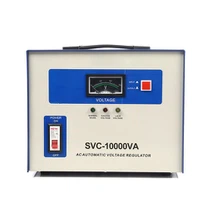




(1) Look at the appearance. Mainly check whether there is oil leakage outside the air regulator, whether there is smoke or discharge of parts. Insufficient welding of the air regulator shell or improper rubber pads may cause the air regulator to leak oil. If the oil level is too low, the insulation protection will be lost, resulting in discharge between the conductive parts or between the conductive part and the shell. Will burn the air regulator.
(2) Listen to the sound. The normal operation of the air stabilizer will emit a uniform and subtle buzzing sound. When the air stabilizer has a different nature of failure, the sound will change. At this time, measures should be taken according to the site conditions to find the cause of the failure.
(3) Check the oil pollution of the air stabilizer and the dust on the high and low voltage bushings, clean and wipe the oil and dust in time to prevent the pollution flashover and discharge when the weather is humid or rainy, causing short circuit between bushings and high voltage fusing The transformer is blown and the distribution transformer cannot operate normally.
(4) Observe the oil color of the air stabilizer and regularly check the oil temperature, especially when the load changes, the temperature difference is large, and the weather is bad, the number of inspections should be increased. The top oil in the operation of the oil-immersed distribution air stabilizer The temperature should not be higher than 95℃. In order to prevent the winding and oil from deteriorating too quickly, the temperature rise of the top oil should not exceed 45℃ frequently.
(5 Air regulator) Measure the insulation resistance of the distribution transformer, and check whether the leads are firm. Special attention should be paid to whether the low-voltage outlet connection is in good contact and whether the temperature is abnormal.